
Gasoline Engine Hydraulic Power Units
Description
Gasoline Engine Hydraulic Power Units are devices that convert the mechanical energy produced by a gasoline engine into hydraulic energy. These units are equipped with an integrated pump that facilitates the movement of hydraulic fluid, enabling the system to perform various tasks requiring hydraulic power.
Working Principle
The working principle of a gasoline engine hydraulic power unit involves the conversion of mechanical energy from the gasoline engine into hydraulic energy. The engine drives a hydraulic pump, which creates a flow of hydraulic fluid. This flow is then used to generate pressure, which can be harnessed to perform work. The system is particularly useful because it allows for the multiplication of force and precise control over the movement of hydraulic actuators, making it ideal for applications requiring high power and reliability.
Applications
Gasoline engine hydraulic power units are used in a variety of applications. They are commonly found in construction equipment such as backhoes and forklifts, where they provide the necessary hydraulic power to operate heavy machinery. Additionally, they are used in industrial settings for powering hydraulic presses and other machinery that require significant force and precision.
Advantages over other Hydraulic Power Units
One of the main advantages of gasoline engine hydraulic power units is their ability to operate independently of an electrical power source, making them ideal for remote or off-grid locations. They also tend to have a longer service life compared to electric motors, which can be beneficial in applications where durability and longevity are critical.
Limitations
Gasoline engine hydraulic power units have several limitations. They typically have higher initial investment costs compared to electric motor-driven units. Additionally, they require regular maintenance to ensure optimal performance, and their operation can be affected by fuel availability and cost. The environmental impact of gasoline engines, including emissions, is another consideration that may limit their use in certain applications.
Considerations
When considering gasoline engine hydraulic power units, it is important to evaluate the initial costs, which are generally higher than those of electric units. Operating expenses can also be significant, particularly if fuel costs are high. However, the durability and long service life of gasoline engines can offset some of these costs over time. Maintenance and replacement costs should also be factored in, as regular servicing is necessary to maintain performance and efficiency. Additionally, considerations regarding the environmental impact and regulatory compliance related to emissions should be taken into account.
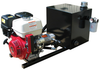
from Bailey International LLC
A hydraulic power unit, or HPU for short, consists of four main components: a prime mover (either an engine or electric motor), a pump, a valve, and a reservoir. Each of these componets are constructed together and form the main component in a dump trailer ’s hydraulic circuit. Together, these... [See More]
- Power Source: Gasoline