
Copper Conductors Mobile Electrification Systems
Last Updated: April 1, 2025
Description
Copper conductors in mobile electrification systems are designed to provide power to moving vehicles and equipment. These systems typically include a sturdy rail and one or more conductors, which are essential for transmitting electrical power efficiently. Copper is often chosen for its excellent conductivity, which ensures reliable power delivery across various applications.
Working Principle
Copper conductors work by incorporating the current conductor into a rail along which powered components move. This setup allows for the continuous transmission of electricity to mobile elements, such as cranes or trains, as they move along the rail. The high conductivity of copper ensures minimal energy loss, making these systems highly efficient. Additionally, copper's durability and resistance to environmental factors contribute to the system's reliability and longevity.
Applications
Copper conductors in mobile electrification systems are used in a variety of specific applications. For instance, they are employed in the power supply for container and overhead cranes, automated storage and retrieval systems (AS/RS), and cable-propelled people movers. These systems are also suitable for amusement rides and other demanding environments, such as seaports, where reliable power transmission is critical .
Advantages over other Mobile Electrification Systems
Copper conductors offer several advantages over other materials used in mobile electrification systems. For example, compared to aluminum-stainless steel alternatives, copper provides significantly improved conductivity, allowing for the safe transmission of high currents even during standstill operations . This makes copper conductors particularly advantageous in applications requiring high power and reliability.
Limitations
One limitation of copper conductors is their cost. Copper is generally more expensive than alternative materials like aluminum, which can increase the initial investment required for these systems. Additionally, copper's weight can be a disadvantage in applications where lightweight materials are preferred.
Considerations
When considering copper conductors for mobile electrification systems, several factors should be taken into account. The initial cost of copper can be higher than other materials, but its superior conductivity and durability may offset these costs over time through reduced energy losses and maintenance requirements. Operating expenses may also be lower due to copper's efficiency and reliability. However, the weight of copper conductors should be considered in applications where minimizing weight is crucial. Maintenance costs can be lower due to copper's resistance to wear and environmental factors, which can extend the lifespan of the system.
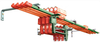
from Conductix-Wampfler
SAFE-LEC 2 ® V-Contact Conductor Bar System - the new standard in overhead crane electrification. SL 2 is ideal for monorail and material handling system electrification as well. Safe-Lec 2 provides these great benefits: Positive Tracking - "V-contact" in the bar guides the shoe and provides... [See More]
- Features: Copper; Up to 900 Feet Per Minute
- Crane Electrification: Yes
- System: Conductor Rail; Transit Rail
- Environment: Indoor; Outdoor

from Conductix-Wampfler
Conductix-Wampfler Side Contact Conductor Bar is a variation of the 8-Bar system designed for lateral (side) entry of the collector. UL / CSA listed. Side Contact is ideal when there is insufficient room for standard "bottom entry" mounting and/or conductors must be more closely spaced than standard... [See More]
- Features: Slip Rings; Copper; High Temp; Radio Control Available
- Crane Electrification: Yes
- System: Conductor Rail; Transit Rail
- Environment: Indoor; Outdoor
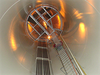
from Conductix-Wampfler
Handling and installing power cables in wind turbine towers is difficult and costly. The solution is Tower BussTM by Conductix-Wampfler. Conductix-Wampfler has applied its extensive knowledge and experience in rigid conductor design to develop the Tower Buss modular conductor bar system. It can be... [See More]
- Features: Slip Rings; Copper; High Temp
- Crane Electrification: Yes
- System: Conductor Rail; Transit Rail
- Environment: Indoor; Outdoor