
High Temperature Mobile Electrification Systems
Last Updated: April 1, 2025
Description
High Temperature Mobile Electrification Systems are designed to provide power to moving vehicles and equipment in environments where high temperatures are prevalent. These systems are engineered to withstand and operate efficiently under extreme thermal conditions, ensuring continuous power supply and functionality.
Working Principle
High Temperature Mobile Electrification Systems operate by incorporating robust insulation and specialized materials that can endure elevated temperatures. These systems typically include components such as conductor rails, which are designed to maintain electrical conductivity and structural integrity despite the heat. The systems are useful because they enable the reliable operation of mobile equipment in high-temperature environments, which is critical for maintaining productivity and safety in various industrial applications.
Applications
These systems are particularly useful in industries where equipment must operate in high-temperature settings. Specific examples include manufacturing facilities with high heat processes, such as metal smelting or glass production, where mobile cranes or automated guided vehicles (AGVs) are used. They are also applicable in transit systems, such as subways or monorails, where the infrastructure may be exposed to high ambient temperatures.
Advantages over other Mobile Electrification Systems
High Temperature Mobile Electrification Systems offer significant advantages over standard systems, particularly in their ability to function reliably in extreme heat. This capability reduces the risk of system failures and downtime, which can be costly in high-demand industrial settings. Additionally, these systems often require less maintenance due to their durable construction, which is specifically designed to handle thermal stress.
Limitations
One of the primary limitations of High Temperature Mobile Electrification Systems is the increased initial cost associated with their specialized materials and construction. The need for robust insulation and heat-resistant components can make these systems more expensive to produce and install compared to standard electrification systems.
Considerations
When considering High Temperature Mobile Electrification Systems, it is important to evaluate the initial costs, which can be higher due to the specialized materials required. Operating expenses may also be influenced by the need for regular maintenance to ensure the system continues to function under high-temperature conditions. Durability is a key advantage, as these systems are built to withstand thermal stress, but this also means that replacement and maintenance costs can be lower over the system's lifespan compared to less robust alternatives. Accuracy in power delivery is generally maintained, even in challenging environments, making these systems a reliable choice for high-temperature applications.
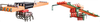
from Conductix-Wampfler
Conductix-Wampfler Cluster Bar Conductor Rail system continues the insulated bar concept with a space-efficient, multiple-conductor design ideal for: Automated storage and retrieval systems. Conveyor system. Cranes and Monorails. Virtually any application that requires numerous conductors in a small... [See More]
- Features: Slip Rings; Copper (optional feature); High Temp; Up to 600 Feet Per Minute
- Crane Electrification: Yes
- System: Conductor Rail; Transit Rail; Enclosed Conductor
- Environment: Indoor; Outdoor

from Conductix-Wampfler
The Conductix-Wampfler Hevi-Bar II Conductor Bar System delivers the kind of reliable, high-capacity crane rail electric service needed by factories, mills, storage yards, people movers, and other rigorous applications. Hevi-Bar II features: Effective Heat Dissipation - uses surface area rather than... [See More]
- Features: High Temp; Radio Control Available
- Crane Electrification: Yes
- System: Conductor Rail; Transit Rail; Enclosed Conductor
- Environment: Indoor; Outdoor

from Conductix-Wampfler
60 years ago Conductix-Wampfler, under the name Rucker Insul 8 ® Corporation, was the first to develop the original "8-Bar" electric conductor bar. This innovative design greatly improved the safety of overhead crane electrification. Since then, hundreds of miles of 8-Bar systems have been... [See More]
- Features: Slip Rings; Copper (optional feature); High Temp; Radio Control Available
- Crane Electrification: Yes
- System: Conductor Rail; Transit Rail; Enclosed Conductor
- Environment: Indoor; Outdoor

from Conductix-Wampfler
Conductix-Wampfler Side Contact Conductor Bar is a variation of the 8-Bar system designed for lateral (side) entry of the collector. UL / CSA listed. Side Contact is ideal when there is insufficient room for standard "bottom entry" mounting and/or conductors must be more closely spaced than standard... [See More]
- Features: Slip Rings; Copper; High Temp; Radio Control Available
- Crane Electrification: Yes
- System: Conductor Rail; Transit Rail
- Environment: Indoor; Outdoor
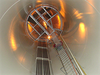
from Conductix-Wampfler
Handling and installing power cables in wind turbine towers is difficult and costly. The solution is Tower BussTM by Conductix-Wampfler. Conductix-Wampfler has applied its extensive knowledge and experience in rigid conductor design to develop the Tower Buss modular conductor bar system. It can be... [See More]
- Features: Slip Rings; Copper; High Temp
- Crane Electrification: Yes
- System: Conductor Rail; Transit Rail
- Environment: Indoor; Outdoor

from Conductix-Wampfler
The 1500 Series Hazardous Duty cable reels are U.L. Listed to NEC Section 500: Class I Div 1 Groups C & D, zones 0,1,2. Class II Div 2 groups E, F, & G. The 1500 Series is sealed to NEMA 4 - water and dust tight for indoor or outdoor use. 1500 Series reels are supplied with 16 awg to 10 awg... [See More]
- Features: Slip Rings; High Temp
- Crane Electrification: Yes
- System: Cable Reel
- Environment: Indoor; Outdoor