
Metal Optical Apertures
Description
Metal optical apertures are components used in optical systems to control the amount of light that passes through. They function as a limiting aperture, often referred to as the 'aperture stop,' which restricts the diameter of the light cone or cylinder entering the system. This control is crucial in preventing saturation of detectors or overexposure of film, ensuring that the desired amount of light reaches the image plane.
Working Principle
Metal optical apertures work by physically limiting the light that can pass through an optical system. The aperture stop is the critical element that determines the maximum diameter of the light cone that can enter the system. By adjusting the size of the aperture, the system can control the intensity and focus of the light, which is essential for achieving the desired image quality and exposure. This capability makes them useful in various optical applications, as they help manage light exposure and improve image clarity.
Applications
Metal optical apertures are used in a variety of applications, particularly in imaging systems. For example, in photography, the aperture stop of a lens can be adjusted to control the amount of light reaching the film or digital sensor, which is crucial for achieving the correct exposure. They are also used in determining the depth of field, limiting aberrations, and defining the field of view in optical systems.
Advantages over other Optical Apertures
Metal optical apertures offer specific advantages over other types of apertures, such as those made from glass or plastic. They are typically more durable and can withstand harsher environmental conditions, making them suitable for use in rugged applications. Additionally, metal apertures can be manufactured with high precision, allowing for more accurate control over light exposure and system performance.
Limitations
One limitation of metal optical apertures is their sensitivity to environmental changes, which can affect their performance. Additionally, the manufacturing process for metal apertures can be more expensive compared to other materials, potentially increasing the overall cost of the optical system.
Considerations
When considering metal optical apertures, it is important to evaluate the initial costs, which can be higher due to the precision manufacturing required. Operating expenses may also be influenced by the need for regular maintenance to ensure optimal performance. Durability is a significant advantage, as metal apertures are generally more robust than those made from other materials. However, accuracy can be affected by environmental factors, so it is crucial to consider the operating environment when selecting metal apertures. Replacement and maintenance costs should also be factored into the decision-making process, as these can impact the long-term cost-effectiveness of the optical system.

from Jiangyin Deli Laser Solutions Co., Ltd.
Precision 5um-1000um slit in 0.05mm thick stainless steel material. Outer Diameter (mm): 9.5 or customized. Slit Length (mm): 3.0 mm or customized. Slit width:10um,25um,50um,75um,100um,200um,500um,1000um or at customer' request. Type:Unmounted. Finish:Can be blacked or not. Precision... [See More]
- Substrate Material: Metal
- Aperture Size: 5 to 1000
- Geometry: Array; Round/Dot (optional feature); Slit
- Substrate thickness: 0.0500

from Piezosystem Jena, Inc.
The PureEdge 240 collimator was developed in cooperation with Lawrence Berkeley National lab as part of an upgrade to beamline 12.3.1. Crystal samples of varying sizes should be matched to a corresponding aperture size to optimize signal to noise ratio during data acquisition. The concept behind... [See More]
- Substrate Material: Metal
- Aperture Size: 240 to 300
- Geometry: Round/Dot

from Artifex Engineering
One surface is coated with gold to reflect the incoming high energy laser radiation. Material: thin copper sheet. Thickness: 0.1524mm / 0.006". Diameter: 9.53mm / 0.375". Finished: Gold Plated and black anodized [See More]
- Substrate Material: Metal
- Aperture Size: 5 to 200
- Geometry: Round/Dot
- Aperture Tolerance: 0.7500 to 6
from Artifex Engineering
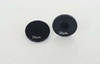
This model is available in aperture mounts for a secure mechanical support. The mounts also fit into various optical assemblies. A label engraved on the mount to identify the size of pinhole would make operators not to mix up. * Pinhole Material: Thin copper sheet. * Pinhole Finish: Gold plated and... [See More]
- Substrate Material: Metal
- Aperture Size: 5 to 200
- Geometry: Round/Dot
- Aperture Tolerance: 0.7500 to 6