
Specialty / Other Thermal Spray Equipment
Description
Specialty thermal spray equipment is designed to apply coatings by melting consumable materials into droplets and depositing them onto a substrate. This equipment is used to create coatings that can range in thickness from 25 µm to 2.5 mm, providing a protective layer on various surfaces.
Working Principle
Specialty thermal spray equipment operates by utilizing different technologies to melt and propel coating materials onto a substrate. For instance, electric arc thermal spray processes use an electric arc as a heat source to melt the coating material, while flame spray technologies use a flame to melt and atomize the particles. High velocity oxy-fuel (HVOF) systems inject powder into a high-speed gas stream, and laser cladding uses a laser to create a molten pool into which the coating material is fed. These processes are useful because they allow for the application of coatings that enhance surface properties such as corrosion resistance and wear resistance.
Applications
Specialty thermal spray equipment is used in a variety of applications. For example, thermal spray coatings are applied to large steel structures like water tanks, TV towers, and bridges to provide atmospheric corrosion resistance. These coatings are also used in industries requiring high-temperature or highly corrosive environments, where refractory or anodic coatings are necessary.
Advantages over other Thermal Spray Equipment
One advantage of certain specialty thermal spray equipment, such as arc spraying, is its high deposition rate and suitability for metallizing thermally sensitive substrates. It also requires less power compared to other methods. Flame spraying, on the other hand, is cost-effective and produces less dust and fumes, making it suitable for coating large or complex structures with a variety of materials, including ceramics and non-metallic coatings.
Limitations
Arc spraying is limited to depositing conductive materials and produces a large amount of fume and dust. The coatings from arc spraying also have greater porosity and higher oxide levels compared to plasma or HVOF spraying processes. Flame spraying, while economical, results in coatings with higher porosity and lower densities, which may not be suitable for applications requiring high-quality coatings.
Considerations
When selecting specialty thermal spray equipment, several factors should be considered. Initial costs and operating expenses can vary significantly depending on the technology used. Durability and accuracy of the coatings are critical, especially in demanding environments. Replacement and maintenance costs should also be evaluated, as some processes may require more frequent maintenance due to the production of dust and fumes. Additionally, the choice of equipment may be influenced by the specific material limitations and environmental conditions of the application.
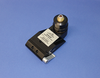
from Saint-Gobain Coating Solutions
Several years ago, Saint-Gobain Coating Solutions introduced a newly designed RF combustion head to improve the spraying of Rokide ® rods and Flexicords. The head comes standard with new spray units or can be retrofitted to older model Rokide ® equipment. Benefits. Reduced gas consumption... [See More]
- Options / Components: Combustion Head
- Equipment Type: Component
- Type: Rod Flame Spray
- Mounting: Reciprocator or Machine Mounted

from Saint-Gobain Coating Solutions
The Rokide ® gun extension is designed to apply coatings inside pipes and other hard to reach places. The gun extension is available in 12 ” (305 mm), 24 ” (610 mm) and 36 ” (914 mm) lengths and can enter small pipe diameters of 5 ” (127 mm minimum). The gun extension... [See More]
- Options / Components: Gun Extension
- Equipment Type: Component
- Type: Rod Flame Spray
- Mounting: Reciprocator or Machine Mounted