
Roof Mount Photovoltaic (PV) and Solar Power Systems
Last Updated: February 12, 2025
Description
Roof Mount Photovoltaic (PV) and Solar Power Systems are designed to convert sunlight into electricity using solar panels installed on the rooftops of buildings. These systems consist of PV panels that capture solar radiation and convert it into direct current (DC) electricity. The generated electricity can be used to power electrical appliances, stored in batteries, or fed into the power grid.
Working Principle
The operation of Roof Mount PV systems is based on the photovoltaic effect, where solar panels made of semiconductor materials like silicon absorb sunlight. This absorption of light energy causes electrons in the semiconductor to become excited and move, creating an electric current. The DC electricity generated by the PV panels is then converted into alternating current (AC) using an inverter, making it suitable for use in homes and businesses. These systems are useful because they provide a renewable source of energy, reduce reliance on fossil fuels, and can lower electricity bills.
Applications
Roof Mount PV systems are commonly used in residential settings to provide electricity for household appliances and lighting. They are also employed in commercial buildings to offset energy costs and reduce carbon footprints. Specific examples include installations on schools, hospitals, and office buildings, where they can significantly contribute to energy savings and sustainability goals.
Advantages over other Photovoltaic (PV) and Solar Power Systems
Roof Mount PV systems offer several advantages over other types of solar power systems. They utilize existing roof space, which can be an efficient use of space in urban areas where land is limited. Additionally, they can be integrated into the building's design, often resulting in lower installation costs compared to ground-mounted systems that require additional land and infrastructure.
Limitations
One limitation of Roof Mount PV systems is their dependency on the roof's orientation and angle, which can affect the system's efficiency. Roofs that are not optimally angled or are shaded by trees or other buildings may not capture as much sunlight, reducing the system's output. Additionally, the structural integrity of the roof must be assessed to ensure it can support the weight of the solar panels.
Considerations
When considering Roof Mount PV systems, initial costs can be significant, including the price of panels, inverters, and installation. However, these costs can be offset by government incentives and rebates. Operating expenses are generally low, as solar panels require minimal maintenance. Durability is a key factor, with most panels designed to withstand various weather conditions and last for 25 years or more. Replacement and maintenance costs are typically low, but it's important to periodically check the system for any issues and clean the panels to maintain efficiency.
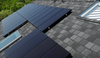
from CertainTeed Corporation
CertainTeed's Solstice PV System uses only the most advanced components to create one of the most efficient, affordable solar systems for your home. Available in several configurations, including aesthetically pleasing all-black panels and low-profile mounting frames to better blend in with your... [See More]
- Output Options: DC
- Standard/Certifications: UL
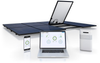
from Sunpower, Inc.
The SunPower Equinox platform is a testament to our design philosophy — when technology is designed to work together, it works better. No other system is designed and engineered by one company. From solar cell to software, SunPower Equinox systems generate more power, are more reliable and... [See More]
- Output Options: Grid Tied
- Standard/Certifications: IEC; UL
- Efficiency: 22
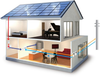
from Canadian Solar Inc.
Solar power for home. Solar energy is environmental friendly, safe and in abundant supply. In addition it is far better for the environment and can help offset energy costs. Canadian Solar offers homeowners in many countries complete solar energy systems that cater to different building applications... [See More]
- Output Options: DC
- DC Power Rating (Watts): 1500 to 10000