
Blast and Jet Machine Components Information
A jet machine is typically an abrasive water discharge cleaner or cutter while a blast machine uses a variety of abrasive media mixed with pressurized air or water. A water jet cutter is an industrial tool that can slice a variety of materials ranging from foam and food to metal using pure water or water mixed with an abrasive. Blasting is typically called wet blasting when abrasives are mixed with water while dry blasting occurs when the abrasive is not mixed with water.
Blasting
There are different ways that water can be introduced to blast media such as slurry blasting, vapor blasting, and dustless blasting. High-pressure water blasting, which is also known as hydro-jetting or hydro blasting, involves spraying only pressurized water onto the desired surface without any abrasive media. Applications between abrasive and water blasting may overlap.
A variety of abrasive materials can be used such as aluminum oxide, glass beads, crushed glass, plastic abrasive, silicon carbide, and staurolite among others. Typically, the blaster will use the finest abrasive needed to attain the desired surface preparation characteristics. When preparing hard and flat surfaces for coating, the anchor pattern will affect how readily the coating can stay on the material. The shape and hardness of the abrasive media contribute to the anchor pattern.
Abrasive and water blasting are often used in the industrial cleaning of hard surfaces with some hobbyists using these tools as well. Some examples of applications include:
• Asbestos removal
• Asphalt and concrete cleaning
• Cobblestone restoration
• Corrosion removal
• Hydro demolition
• Hydro-excavation
• Investment casting cleaning
• Oxidation removal
• Paint removal
• Pipe residual removal
• Pool refurbishing
• Sludge removal
• Surface preparation
• Tank cleaning
Waterjet
Waterjet cutting machines are versatile with a variety of applications. Waterjet cutters may use pure water or use a combination of water and abrasive to cut materials. The introduction of abrasives increases the cutting force of the resultant stream. A variety of abrasives can be used in waterjet cutting such as aluminum oxide, garnet, sand, and silicon carbide, with garnet being the most common choice.
Waterjet cutting machines can be used to cut:
• Ceramics
• Composites
• Food
• Glass
• Insulation
• Metal
• Paper and cardboard
• Plastics
• Rubber
• Stone and tiles
• Textiles
Components
Blast jet machine components are accessories to blast and jet machines and systems. With a diverse range of applications and options, there are many blast jet machine components and accessories that are combined to suit the intended application.
Nozzles
Nozzles are an important part of blast and jet machines. The nozzle accelerates the air, abrasive, or water as the fluid exits the blast hose. The taper and inlet length of the nozzle determines the blast or jet pattern and velocity of fluid exiting the system. Some nozzles offer increased longevity through their choice of material and design.
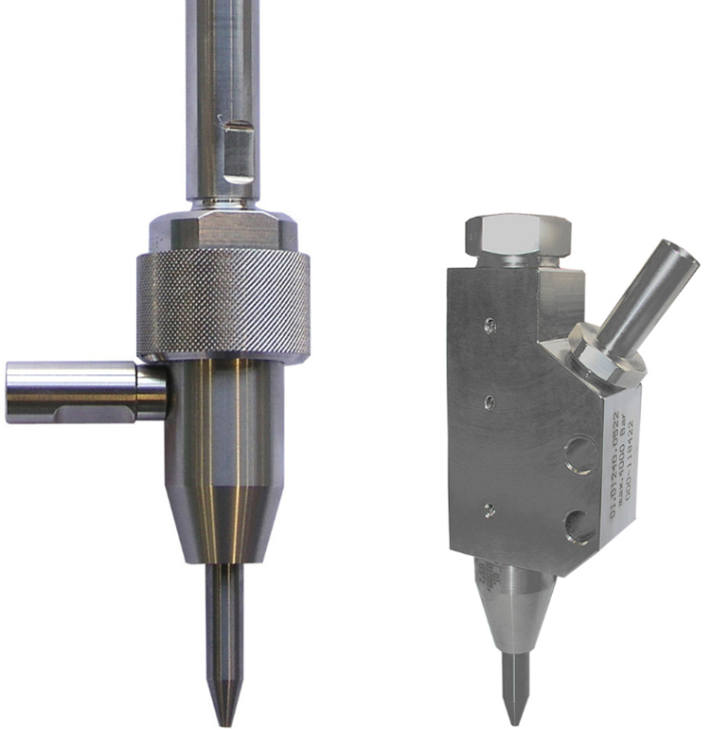
Figure 1. Water jet cutting nozzle. Source: Hammelmann Oelde/CC BY-SA 3.0
Cutting head
Waterjet and abrasive cutting heads will often include a mixing chamber and a feed inlet. There is a nozzle inside the cutting head to outlet pressurized water into the mixing chamber. A focusing tube is an outlet for the resultant stream that positions the fluid onto the piece being worked on.
Abrasive jet cutting head
With abrasive cutting heads, pressurized water passes through a jewel orifice and creates a supersonic stream of water that can cut various materials. Abrasive jet cutting heads have a mixing chamber and nozzle. Pressure is exchanged for velocity and is capable of cutting through many types of harder materials such as ceramic, plastic and stone, and metal. Abrasive cutting is versatile and often does not stress the material.
Waterjet cutting head
A waterjet cutting head used for pure water does not use a nozzle or mixing chamber. Since the stream is very fine, very little pressure is applied to the surrounding material. As a result, pure waterjet cutting is suitable for cutting materials such as foam, food, paper, rubber, and thin plastics. In this cutting method, cuts are rapid, and heat at the cutting site is not generated, it is most suitable for light, soft, and delicate materials. Some products labeled waterjet cutting heads will include an inlet for abrasives as they are designed for applications that use a combination of abrasives and water.
Media valve
For blast machines, a media valve is connected to the bottom of the machine and regulates flow from the media reservoir or blast pot. There are two inlets and one outlet, where one is for the abrasive media and the other is for air. The outlet is for a mixture of both that exits through the blast hose and abrasive cutting head. The media valve can be automatic or manual.
Abrasive injector
An abrasive injector is typically a nozzle with two inlets and one outlet. An abrasive regulator may be used as a metering system to ensure optimum efficiency by maintaining the stability of the abrasive flow rate. An abrasive regulator may be positioned close to a waterjet cutting head to deliver the precise amount of abrasive needed. This component can help cuts become smoother and reduce costs from wasted abrasives.
Blast cabinet/enclosure
A blast cabinet allows for the placement of large items or small items into a confined space for safe blasting. There may be a viewing panel to see the items as they are blasted and heavy-duty gloves mounted into the cabinet. A dust collection port is typically included as well. These cabinets protect the user from abrasives and dust and let users blast objects in a fully enclosed environment. Since the cabinet is self-contained, it is not necessary to wear other safety equipment.
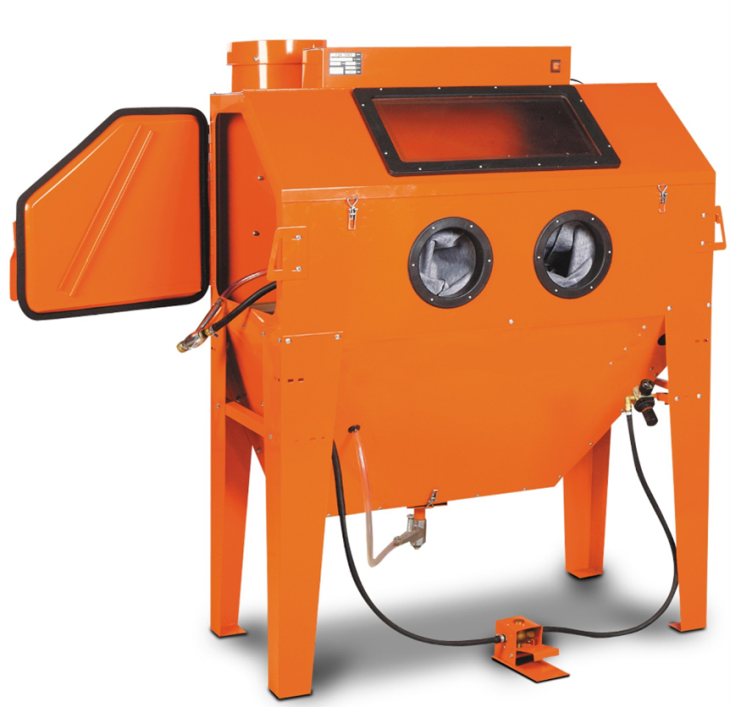
Figure 2. Blast cabinet. Source: Gxjzz/CC BY-SA 4.0
Blast room/cutting booth
A blast room is a large chamber that prevents abrasive material from entering the outside air during blasting. Typically, a blast room can be accessed with a variety of doors for personnel and products. Abrasive material can also be easily reclaimed, and many blast rooms connect to a system that separates the dust from leftovers and allows for reuse. Pressure blasters may be able to be controlled from inside the booth.
Blast wheel
Wheel blasting does not use pressurized air. Instead, abrasive media is propelled toward the loaded product by a turbine. The blast wheel may be driven by a belt or directly via a bearing system. The speed of the wheel can be adjusted in models with VFD (variable frequency drive). Typically, more products can be loaded into the work area with blast wheels as there is an even blast pattern on all surfaces of the loaded products. Commonly, these are used in shot peening, etching, and surface cleaning applications.
Standard use cases for blast wheels may be for automotive transmission components and large production lots of similar components. Wheel blasting offers some advantages over other blasting methods such as increased efficiency and the ability to blast larger objects. Some blast wheels may be offered as a complete system.
Crank drive
Waterjet manufacturers may use direct drive pumps. These pumps operate by moving three pistons rapidly to intake and pressurize water. These pumps are often considered more electrically efficient and operate more quietly. However, there is typically a limited pressure output of around 60 KPSI.
Intensifier
An intensifier pump used in waterjet machines uses hydraulics to intensify water pressure. An electric or gas motor will turn a hydraulic pump to produce hydraulic oil pressure. The oil pressure is fed into a cylinder that moves a piston to send high pressure to water in a storage tank. Pressures from intensifier pumps can range from 30 KPSI to over 100 KPSI. With these pump styles, constant pressure can be maintained and higher pressures are available. The intensifier ratio, flow rate, and output pressure are important aspects to consider when choosing an intensifier.
Dust collection/filtration system
Dust collection and filtration systems are often key components to blast machine setups. Baghouse dust collectors can be used to filter dust in blast cabinets or automated finishing systems. Bag-house collectors use felts bags and are often less efficient than cartridge-type dust collectors that used pleated filters. Dust collectors are frequently used in larger equipment setups and in high-volume applications. A dust collector impeller may be mounted on the blast cabinet and is used to draw dust into the dust collection/filtration system.
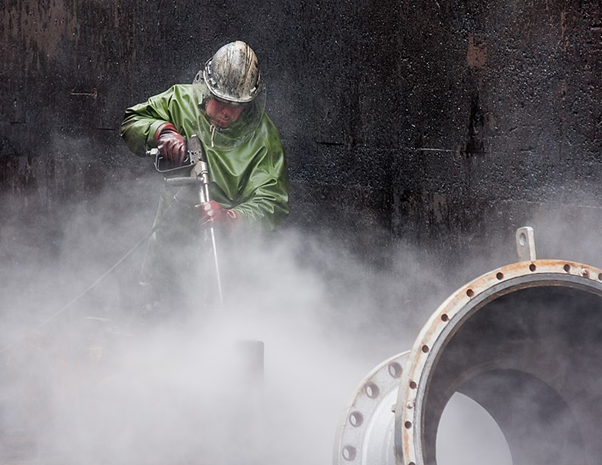
Figure 3. High-pressure cleaning with gun/lance. Source: CEphoto, Uwe Aranas
Gun/lance
A hand lance or gun is often a basic hand-held tool used in water jet and abrasive applications. Typically there is a trigger lock for safety and ergonomic grips to hold the lance. Hand-held lances are the preferred method to control the output stream in some applications. The outlet stream is directed with nozzles of varying sizes that can be attached to the gun or lance.
Hopper/tank
A blast pot can hold both abrasive and water when wet blasting. A blast pot exposes abrasive media to the correct pressure. They are available in a variety of sizes and may be portable or fixed. A larger media storage hopper is often used in blast booths to increase the blasting output and longevity.
Slurry blasting pots introduce water to the abrasive media outside of the blasting pot. Vapor blasting and dustless blasting store both abrasive media and water within the blast pot; with the main difference being that dustless blasting uses the Venturi effect to create a vacuum.
Waterjet tanks for pure water uses are available in a variety of sizes, when water is combined with abrasives, both tanks may be included with blast pots.
In addition, water tanks may be needed for underwater cutting as submerged cutting of parts may provide added benefits for many abrasive waterjet applications. Underwater cutting may provide benefits such as quieter operation, and reduced splashing, rusting, and frosting.
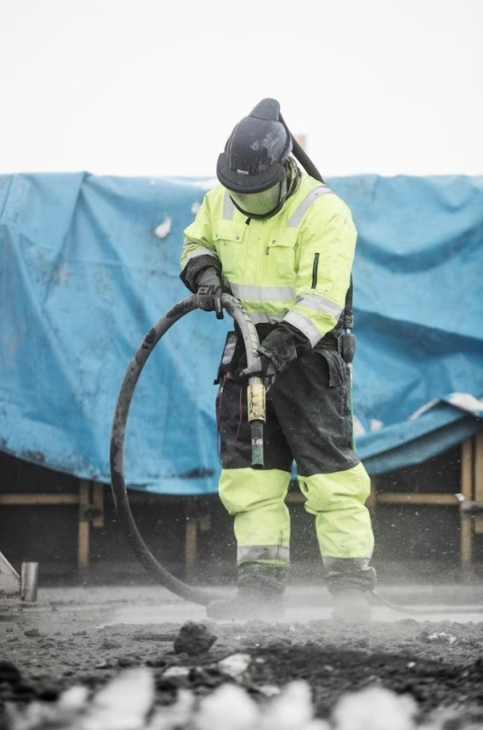
Figure 4. Sandblasting worker. Source: Jimmy Nilsson Masth/Unsplash
Media separator/reclaimer
In a media separator or reclaimer, larger and reusable blast media is separated from finer particulates. Reclaimers are typically either a suction or pressure type with some smaller reclaimers being convertible. Suction-type reclaimers will have a conical bottom whereas pressure-type reclaimers will have a flanged, open bottom.
Pressure generator
In blasting applications, an air compressor can be used to generate pressure for the blast media.
Choosing components
It is important to consider a variety of factors when choosing blast and jet machine components. Blasting and waterjet industrial tools often require a variety of components to increase system efficiency or augment functionality. As well, it is common for some systems to require components to be purchased separately. Ensure that all components are compatible for an effective solution.
Related Information
Suppliers by Country
Suppliers by State
Datasheets by Spec