Towbars Information
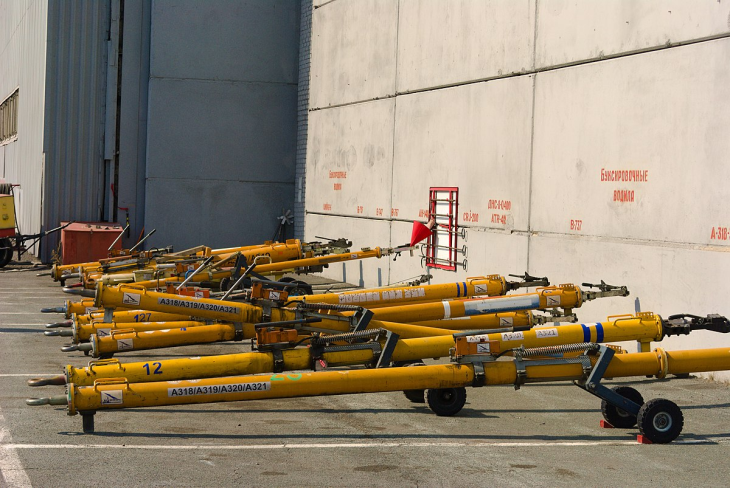
Figure 1: Towbars allow for the mechanical coupling between two vehicles for safe movement. Source: DS28/CC BY-SA 4.0
Towbars are used to move anything from disabled vehicles to large aircraft ready for takeoff. Towbars allow for the mechanical coupling between two vehicles for safe movement. Towbars often appear to be simple devices but must be carefully designed in order to safely transmit large amounts of force without endangering people or property.
Theory of Operation
Towbars are used to connect a towing vehicle to a vehicle or trailer that is being towed. Towbars must be able to temporarily but securely connect these vehicles mechanically to allow for a large transmission of force. Key functions that a towbar must accomplish include:
- Mechanical connection
- Articulation
- Electrical connection
- Safety measures
The fundamental function of a towbar is to provide a mechanical link between two vehicles. It must be robust enough to withstand the forces involved in towing, which can be quite significant, especially when towing large or heavy trailers or aircraft. This is typically achieved through a combination of solid metal construction and secure fastening methods.
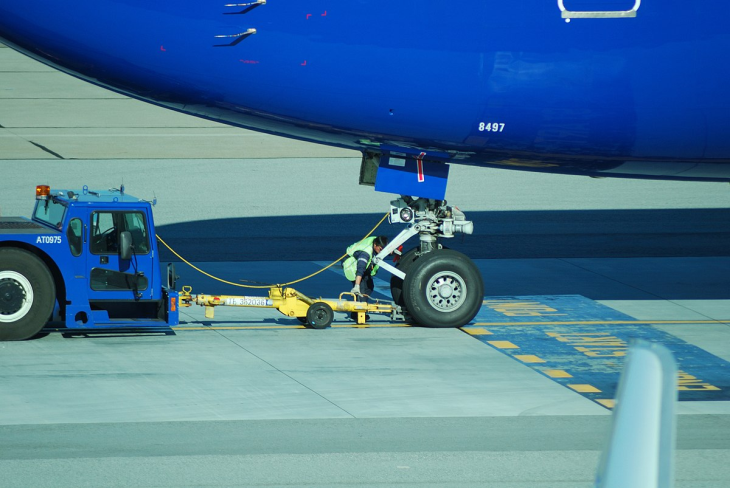
Figure 2: Towbars usually include some form of articulation or pivoting mechanism. Source: Wing/CC BY-SA 3.0
Towbars usually include some form of articulation or pivoting mechanism. This allows the towed vehicle or trailer to turn corners without putting undue stress on the towbar or vehicles. In other words, the towbar allows the towing vehicle and the towed object to pivot relative to each other, allowing for easier navigation of turns and bends.
Modern towbars for ground vehicles also usually include a system for connecting the electrical systems of the two vehicles. This is important because it allows the lights and indicators on the trailer or towed vehicle to function in sync with the towing vehicle. Typically, this is accomplished through a multi-pin plug and socket system. On public highways, this is essential for ensuring that the towed vehicle's lights function as required.
Lastly, towbars incorporate a number of safety features. These often include safety chains as a backup in case the main connection fails, breakaway cables that apply the brakes on the trailer if it becomes detached from the towing vehicle, and locking mechanisms to prevent accidental disconnection. Towbars used for other applications including military and aerospace incorporate different types of safety features.
The specifics of how a towbar is designed and operates can vary quite a bit depending on the type of towbar, the type of vehicles involved, the regulations in a particular region, and other factors. But in general, all towbars work according to the same basic principles outlined above.
Specifications
The design and use of towbars are often regulated by various legal standards and specifications. These can differ by region and may specify requirements on many aspects of a towbar, such as its design, testing, marking, use, and installation. Here are some important specifications that generally apply:
Towing Capacity
Perhaps the most fundamental specification of a towbar is its towing capacity, which is the maximum weight it can safely tow. This can vary significantly depending on the towbar design and the towing vehicle. Exceeding this limit can be dangerous and is often illegal.
Vehicle Suitability
Towbars are usually vehicle-specific. The specification of a towbar should match the vehicle's tow rating, which can be found in the vehicle's owner manual. Installation of an incorrect towbar can lead to vehicle damage or accidents.
Towball Size
For towbars used in automotive applications, the towbar will typically come with a towball. In many regions, the size of the towball is standardized. For example, in the EU and Australia, a 50 mm (about 1.97 inches) towball is standard while towbars in the U.S. typically range from 1¼ inches to 2? inches.
Electrical Connections
Towbars for automotive applications generally include an electrical connection to the towed vehicle. The specification for this can vary but often includes a requirement for certain types of lights and indicators to be functional on the towed vehicle. The exact requirements can depend on the size and type of towed vehicle and local regulations.
Safety Features
Towbars generally must include certain safety features. For instance, safety chains are a common requirement, and in some places, breakaway systems are also required for larger trailers.
Before installing or using a towbar, it's essential to understand the relevant specifications and requirements in your region and for your specific vehicle and trailer. In most cases, a professional should be consulted for the installation to ensure safety and compliance with all regulations
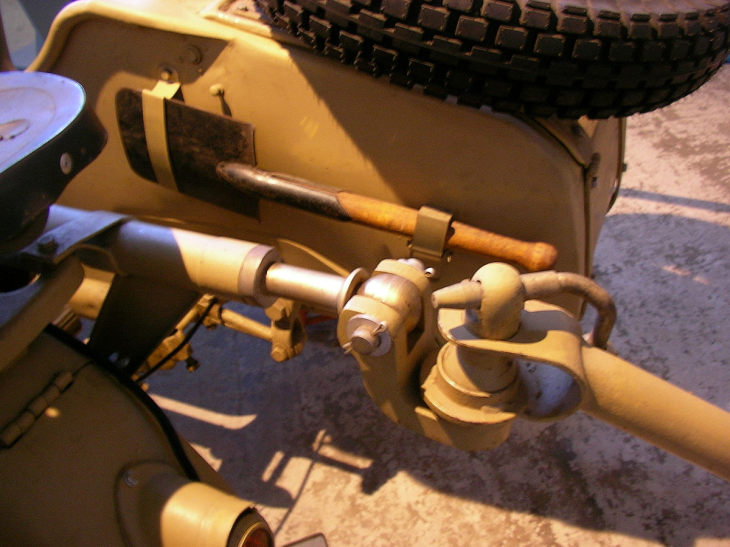
Figure 3: Towbars come in a variety of design. Source: Gruß Tom/ CC BY-NC-ND
Types
Towbars come in a variety of designs, each with their own benefits and drawbacks. Here are some of the most common types:
Aircraft Towbars
Three common types of aircraft towbars are:
- Rigid towbar
- Universal towbar
- Multi-head towbars
Different aircraft require different types of towbars in order for proper use. The aircraft have different size, weight, and attachment points that require different hardware in order to tow the aircraft safely. Universal and multi-head towbars attempt to solve for some of these issues by offering more versatile options for attachment to aircraft.
Automotive Towbars
Three of the most common towbars for automotive applications include:
- Fixed flange ball towbar
- Swan neck towbar
- Retractable towbar
The fixed flange towbar is the most commonly used type of towbar for automotive applications. It has a tow ball mounted to a plate, allowing different types of couplings to be used. The flange design allows for accessories like cycle carriers and bumper protectors to be fitted. Similar to the fixed flange towbar, the detachable flange towbar type of towbar allows the neck and the tow ball to be removed when not in use. It offers the versatility of a flange ball but with the option of removing the towbar to maintain the vehicle's aesthetics and clearance.
The swan neck towbar has a tow ball and neck as a single unit, which makes it less versatile than the flange ball towbar. However, it's often preferred for aesthetic reasons, as it is less visible than flange towbars. It also has less of a chance of triggering parking sensors when not towing.
Retractable towbars are great for versatility. These towbars can be manually or electronically retracted under the vehicle when not in use. They're very neat and convenient, but they also tend to be more expensive than other types.
Each of these types of towbars have their own advantages and disadvantages. The best type of towbar for a given situation depends on a variety of factors, including the type and weight of the trailer, the type of vehicle, the local regulations, the frequency of use, and personal preference.
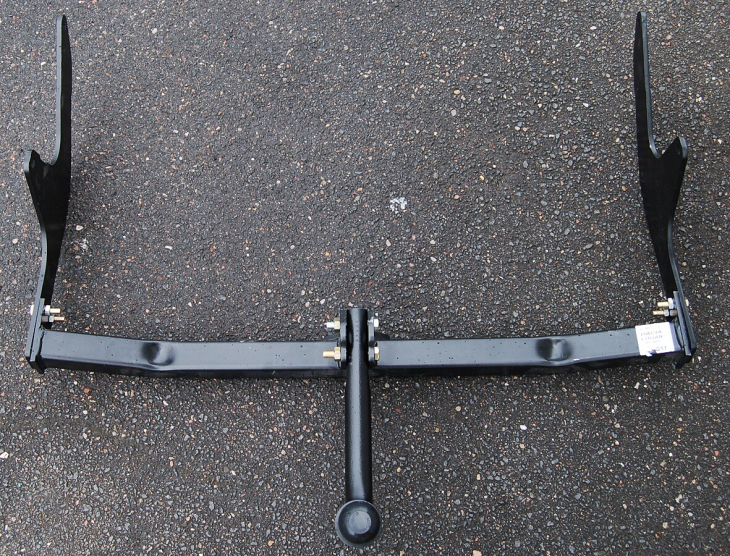
Figure 4: Every towbar is rated for a specific towing capacity. Source: Huhu Uet/CC BY-SA 3.0
Features
Towbars come with a range of features to facilitate towing and enhance safety. Here are some of the key features:
Towing Capacity
Every towbar is rated for a specific towing capacity, which is the maximum weight it can safely tow. This capacity should never be exceeded.
Towball
The towball is a spherical component on the end of the towbar that couples with a corresponding hitch on the towed vehicle. It provides a pivot point allowing the towed vehicle to move independently of the towing vehicle, easing navigation.
Neck
The neck is the part that extends out from the vehicle, ending with the towball. It can be either fixed or detachable, depending on the type of the towbar.
Flange Plate
On flange type towbars, a flange plate is provided where the towball is bolted. This plate allows for the fitting of other accessories, like cycle carriers or bumper protectors.
Electrical Sockets
Automotive towbars typically come with either seven-pin or 13-pin electrical sockets to provide electrical connections to the towed vehicle or trailer for brake lights, indicators, or other electrical features.
Locking Mechanism
Detachable towbars have a locking mechanism to secure the towbar neck when it's attached. This also serves as an anti-theft feature.
Safety Chain Attachment Points
Many towbars have dedicated attachment points for safety chains. Safety chains are a required safety feature in many jurisdictions to prevent the trailer from completely separating from the tow vehicle in case the main coupling fails.
Pivot Mechanism
Some towbars have pivot mechanisms that allow them to be swung or retracted out of sight when they're not in use.
Color Indicators
Some detachable towbars feature color indicators to show when the towbar is locked in place correctly.
Breakaway Cable Attachment
This is an attachment point for a breakaway cable, which is designed to apply the brakes of the towed vehicle or trailer if it detaches from the towing vehicle.
The specific features a towbar has can depend on its type, design, and the regulations in a particular region. But in general, all towbars incorporate some combination of these features to allow for safe and effective towing.
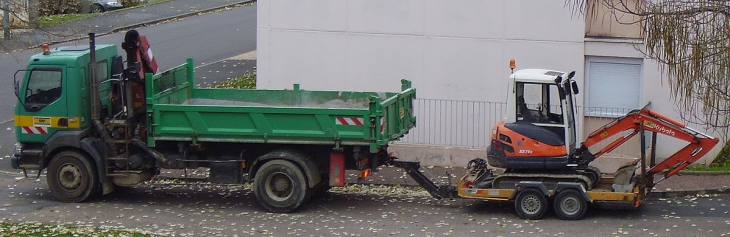
Figure 5: Towbars are typically manufactured through a series of steps involving material selection. Source: Cjp24/CC BY-SA 3.0
Manufacture
Towbars are typically manufactured through a series of steps involving material selection, cutting and shaping, welding, and finishing. The major steps in manufacturing towbars include:
- Material selection
- Cutting and shaping
- Welding
- Finishing
- Inspection and testing
- Packaging
Towbars are commonly made of high-quality steel, often mild or stainless, due to their strength and durability. The chosen material needs to be robust enough to withstand the physical stress and environmental conditions that towbars are subjected to. Towbars have a tough life and the material must be up to the challenge.
The chosen material is cut and shaped into the required components of the towbar. This typically involves processes such as laser cutting, bending, and pressing. Advanced machinery is used to ensure precision and consistency in these steps. The main components usually include the towbar body, flange plate (if applicable), and mounting brackets.
The cut and shaped components are then assembled and welded together. This might include welding the towball to the towbar body, or the flange plate to the towbar body. Automated welding processes are often used to ensure strong, consistent welds.
Once the towbar is assembled, it typically undergoes a finishing process to protect it from corrosion. This can include galvanizing, powder coating, or painting. This process not only increases the lifespan of the towbar but also improves its appearance.
After manufacturing, the towbars are inspected and tested to ensure they meet the necessary standards and specifications. This can involve checking the dimensions, testing the strength, and verifying the functionality of the electrical components. Finally, the towbars are packaged along with any necessary accessories (like bolts and electric kits) and instructions for installation.
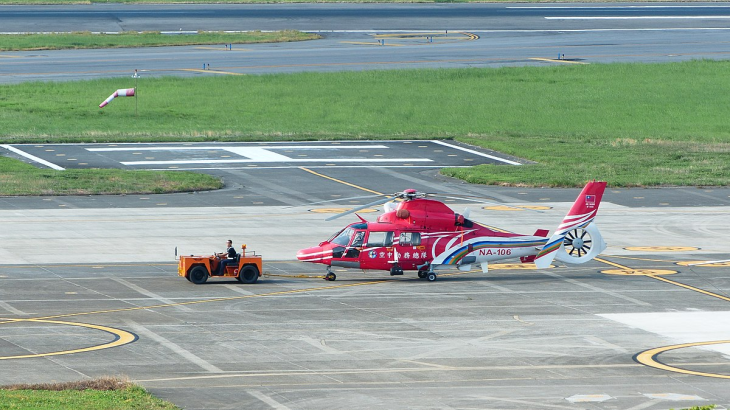
Figure 6: Towbars have a wide range of applications. Source: Public domain
Applications
Towbars have a wide range of applications, primarily centered around towing various types of vehicles or equipment. Here are some common applications:
Caravans and Recreational Vehicles (RVs)
Towbars are commonly used for towing caravans and RVs for recreational purposes. This enables people to travel with a mobile living space.
Trailers
Whether it's a utility trailer for transporting goods, a boat trailer for water sports, or a horse trailer for equestrian activities, towbars are essential for connecting the trailer to the towing vehicle.
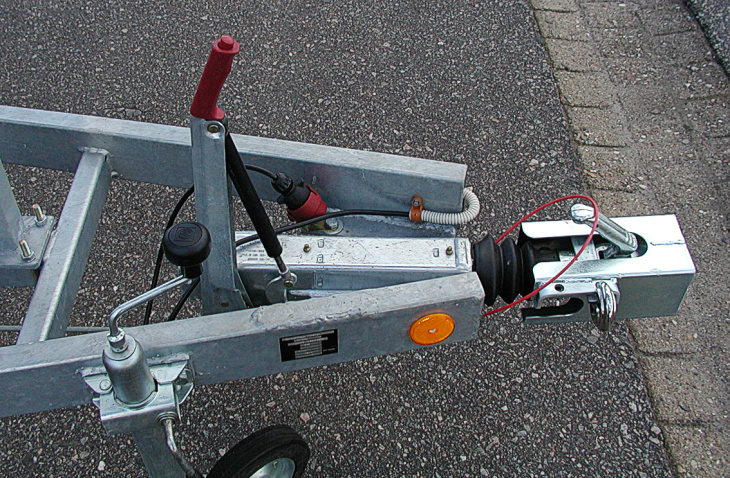
Figure 7: Towbars can be used to connect a towing vehicle to a car dolly or car trailer. Source: Ra Boe/ CC BY-SA 2.5
Car Dollies and Car Trailers
Towbars can be used to connect a towing vehicle to a car dolly or car trailer, which is used to tow a car or other small vehicle.
Bicycle Racks
Some types of bicycle racks can be attached to the towbar of a vehicle. This can be a convenient way to transport bicycles, especially for larger families or groups.
Agriculture and Construction
In agriculture and construction, towbars are used to tow a variety of equipment and trailers. These might include hay trailers, water tanks, or heavy machinery.
Recovery and Emergency Services
Tow trucks and recovery vehicles use towbars, often of specialized designs, to recover broken down or crashed vehicles.
Airport Ground Support
In airports, towbars are used by ground support vehicles to move airplanes and luggage carts around the airport.
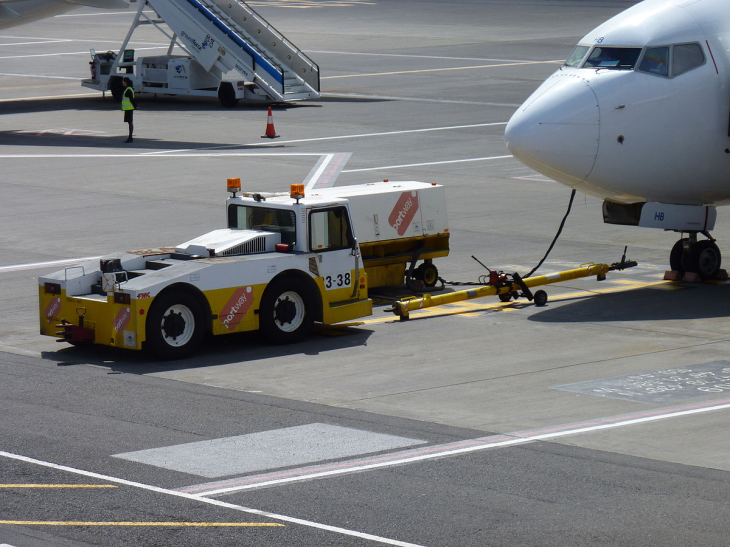
Figure 8: In airports, towbars are used by ground support vehicles to move airplanes and luggage carts around the airport. Source: Lt300/CC BY-SA 3.0
Remember that the towbar used needs to be appropriate for the weight and type of the towed vehicle or trailer, and it needs to be correctly installed and used. Always refer to the manufacturer's instructions and local regulations for safe towing practices.
Standards
The design, manufacture, and use of towbars are often regulated by various international, national, and regional standards. These standards specify requirements on many aspects of a towbar, such as its design, testing, marking, use, and installation. Here are a few key standards:
- 49 CFR § 393.71
- MIL GTA 55-01-001
- ECE R55
- SAE J560
- AS 4177
- ISO 8267-2:2019
- ISO 9667:2017
- SAE AS1614D
Many geographic regions have their own requirements for towbars including the U.S., E.U., and Australia. Additionally, further specifications govern towbars used in specific applications. Automotive, military, and aerospace applications all fall under different standards with different requirements for towbars.
Before installing or using a towbar, it's essential to understand the relevant standards and regulations in a specific region and for a specific vehicle or trailer. In most cases, a professional should be consulted for the installation to ensure safety and compliance with all regulations.
References
Let’s Tow That—All About Tow Bars|Everything You Need To Know…
Cliff’s Welding—What is a tow bar? | Types, Sizes and More
Demco—How Does a Tow Bar Work?
Tronair—Aircraft Towbar Types: How to Choose the Best Aircraft Towbar for Your Applications
Aircraft Systems Tech—Towing of Aircraft
RV Geeks—Towbar Unbound! “How It’s Made” RV Edition!
Govinfo.gov—§ 393.71—Coupling devices and towing methods, driveaway-towaway operations.
US Army—GTA 55-01-001—TOW BAR SMART BOOK
ISO 8267-2:2019 - Aircraft—Tow bar attachment fittings interface requirements—Part 2: Regional aircraft
ISO 9667:2017 Aircraft ground support equipment—Tow bars
Related Information
GlobalSpec—Electrifying Aviation from the Ground Up