Animation: The Mechanics of Motion

Chapter 5: Animals in Motion

The animal kingdom is hugely complex, offering almost infinite possibilities and challenges for the animator. Nature fills in all the blanks, from the largest whale to the smallest bug; if there s a gap in the ecological market, nature meets it.

BEFORE WE BEGIN

It s through direct and detailed action analysis, either in the flesh or on video, that you will gain a more in-depth knowledge of the motion of animals. You don t need to concentrate on the wild or the exotic to develop these analytical skills. The average domestic cat or dog will provide enough fascinating material for serious study. The difficulties of animating animals with four legs are considerable, but like the walk cycle we covered earlier, the process can be broken down into its basic components, resulting in a fairly straightforward problem. All the principles that we have looked at so far still apply, and once you have practised a little with the earlier exercises you should find these much less daunting. Having said that, the realistic animation of animals is a difficult matter and requires much practice and patience, so don t get too despondent if your first efforts fall short of your goals; you will get there, but it will take time.

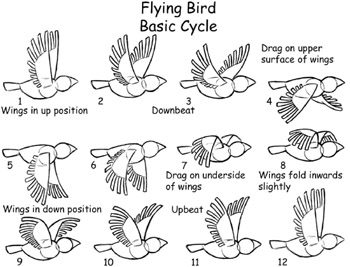
This chapter can only cover very limited examples of animals in motion. A whole volume dedicated to this one subject alone couldn t possibly cover all the variables of the animal kingdom. The actions of mammals, amphibians, insects and birds would take a lifetime to study...

UNLIMITED FREE
ACCESS
TO THE WORLD'S BEST IDEAS

SUBMIT
Already a GlobalSpec user? Log in.

This is embarrasing...

An error occurred while processing the form. Please try again in a few minutes.

Customize Your GlobalSpec Experience

Category: Agricultural and Farming Products and Equipment
Finish!
Privacy Policy

This is embarrasing...

An error occurred while processing the form. Please try again in a few minutes.