The Usability Engineering Lifecycle: A Practitioner's Handbook for User Interface Design
By Deborah J. Mayhew
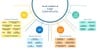
Part I: Requirements Analysis
Part I: Requirements Analysis
Chapter 2: User Profiles
Chapter 3: Contextual Task Analysis
Chapter 4: Usability Goal Setting
Chapter 5: Platform Capabilities and Constraints
Chapter 6: General Design Principles
Chapter 2: User Profiles
Purpose
There is no single best user interface style or approach for any and all types of users. Specific interface design alternatives that optimize the performance of some types of users may actually degrade the performance of other types of users. For example, an infrequent, casual user needs an easy-to-learn and easy-to-remember interface, but a high-frequency, expert user needs an efficient, powerful, and flexible interface. These are not necessarily the same thing. Similarly, a highly skilled typist might perform better with a keyboard-oriented interface, while a low-skill typist might do better with a GUI.
Unless User Interface Designers (see Chapters 1 and 21 for definitions of all Usability Engineering roles) know the specific characteristics of a population of users (e.g., expected frequency of use, level of typing skill), they cannot make optimal user interface design decisions for them. The purpose of a User Profile is thus to establish the general requirements of a category of users in terms of overall interface style and approach.
If you want an immediate and concrete sense of what a User Interface Designer needs to know about the users and why, skip to the Sample Work Products and Templates section later in the chapter, read it, and...
Copyright Morgan Kaufmann Publishers, Inc. 1999 under license agreement with Books24x7

 TABLE OF CONTENTS