Chemistry of Petrochemical Processes, 2nd Edition

Chapter Eleven: Polymerization

INTRODUCTION

Polymerization is a reaction in which chain-like macromolecules are formed by combining small molecules (monomers).

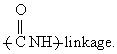
Monomers are the building blocks of these large molecules called polymers. One natural polymer is cellulose (the most abundant organic compound on earth), a molecule made of many simple glucose units (monomers) joined together through a glycoside linkage.1 Proteins, the material of life, are polypeptides made of ?-amino acids attached by an amide


The polymer industry dates back to the 19th century, when natural polymers, such as cotton, were modified by chemical treatment to produce artificial silk (rayon). Work on synthetic polymers did not start until the beginning of the 20th century. In 1909, L. H. Baekeland prepared the first synthetic polymeric material using a condensation reaction between formaldehyde and phenol. Currently, these polymers serve as important thermosetting plastics (phenol formaldehyde resins). Since Baekeland's discovery, many polymers have been synthesized and marketed. Many modern commercial products (plastics, fibers, rubber) derive from polymers. The huge polymer market directly results from extensive work in synthetic organic compounds and catalysts. Ziegler's discovery of a coordination catalyst in the titanium family paved the road for synthesizing many stereoregular polymers with improved properties. This chapter reviews the chemistry involved in the synthesis of polymers.

MONOMERS, POLYMERS, AND COPOLYMERS

A monomer is a reactive molecule that has at least one functional group (e.g. -OH, -COOH, -NH 2, -C=C-). Monomers may add to themselves as in the case of ethylene or may react with other monomers having different...

UNLIMITED FREE
ACCESS
TO THE WORLD'S BEST IDEAS

SUBMIT
Already a GlobalSpec user? Log in.

This is embarrasing...

An error occurred while processing the form. Please try again in a few minutes.

Customize Your GlobalSpec Experience

Category: Monomers, Intermediates, and Base Polymers
Finish!
Privacy Policy

This is embarrasing...

An error occurred while processing the form. Please try again in a few minutes.