Tourism Supply in the Tourism System
The 'tourism system' is an expression often used but seldom precisely defined. The reason is quite evident. Tourism is a complex phenomenon: there are many different actors, and demand and supply are geographically separated but production and consumption take place on the same spot. A tourism system can be defined as a framework that shows the interaction between: tourism supply at the destination, the bridging elements between supply and demand, and tourism demand (see Figure 4.1). The relationship between demand and supply, via the bridging elements, is a two-way link. In the tourism system, the supply at the destination is the key element.
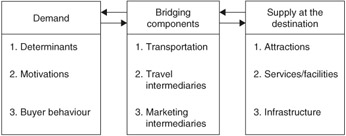 Figure 4.1: Components of the tourism system
 Suppliers provide the basic elements that together form the overall visitor experience (Ritchie and Crouch, 2003).However, according to these authors there are many resources or factors that are required by tourism and hospitality enterprises far more than the elements cited in Figure 4.1. For them, labour is a key factor, and other supply factors include food and beverage producers, local crafts, and manufacturers of equipment (such as amusement park rides, camping equipment), etc.
Suppliers are connected to tourists through tourism marketing channels consisting mainly of intermediaries (tour operators, retail trade, meeting and convention planners etc.) and facilitators, who assist in the efficient functioning of the tourism system (e.g. flow of information, marketing, money, knowledge). Other bridging elements include the different transportation modes.
The third component of the tourism system is the customer. There...

 TABLE OF CONTENTS