Biocides in Plastics

Chapter 2: The Need for Biocides in Plastics and Basic Microbiology
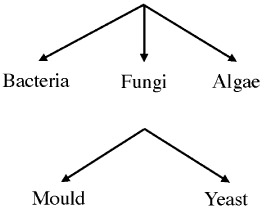
The microorganisms of importance fall into three broad groups (Figure 2). Viruses may also be mentioned although these are less well documented as an issue for growth in or on plastics.


Figure 2: The Three different types of microrganisms

2.1 Bacteria

Can degrade plastics by utilising raw materials as a food source, potentially causing surface staining (Figure 3), pitting and malodours. Plastic material can also provide a surface for the growth and proliferation of pathogenic organisms.


Figure 3: Staining of PVC film

2.2 Fungi

Moulds can degrade plastics and grow within them (Figure 4), reducing structural strength, conductivity or other physical properties. They can cause unsightly and aesthetically unpleasant growth on the surface and potentially enable the growth of some fungi that produce harmful mycotoxins.


Figure 4: Microscopic view of Penicillium sp. growing within a matrix

Yeast can also stain and cause malodours on plastics.

2.3 Algae

Although they can be unsightly with green, brown or black discoloration of surfaces, they themselves cause no damage to plastics, as they do not use them as a nutrient source. They can however trap water, encouraging fungal growth (Figure 5) and physical 'freeze and thaw' effects.


Figure 5: Fungal colonies growing on roof felt

UNLIMITED FREE
ACCESS
TO THE WORLD'S BEST IDEAS

SUBMIT
Already a GlobalSpec user? Log in.

This is embarrasing...

An error occurred while processing the form. Please try again in a few minutes.

Customize Your GlobalSpec Experience

Category: Biocides
Finish!
Privacy Policy

This is embarrasing...

An error occurred while processing the form. Please try again in a few minutes.