Biocides in Plastics

Many plastics articles may contain a biocide, although even in the same type of product the manufacturer may decide to add or omit a biocide dependent on the quality required of the final article. This is because the use of a biocide will impact on the cost of the final article and therefore its use must provide some essential or value added component.
Examples of applications where biocides are used include:
PVC Tarpaulin, truck canopies, pool and pond liners, silage pit liners, artificial leather, sheeting, awnings, textile coatings, flooring, wallpaper, roofing materials, garden furniture, refrigerator gaskets, automobile components.
PU Shoe covering, foams, textile coatings, shower curtains, electrical components.
Polypropylene/polyethylene (PE) Typically hygienic uses including textiles, pillows, quilts, carpets.
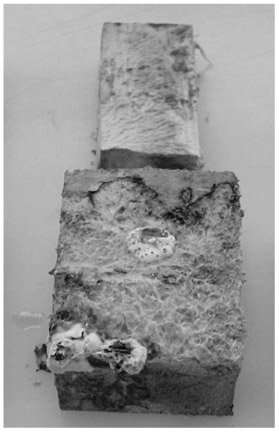
Wood plastics composites (WPC) Anti rot, surface growth and anti-algal products for wood plastics composites (the growth of wood rot fungi on WPC is seen in Figure 6).
This is achieved by addition of a biocide whose function is to maintain the properties of the plastic article. These biocides are not intended to offer any external or hygienic effect but merely prevent the effects of microbial growth on or in the plastic itself.
The sources of food for microorganism growth within plastics are the raw materials used in their manufacture. The obvious example is the...