Polymers in Asphalt

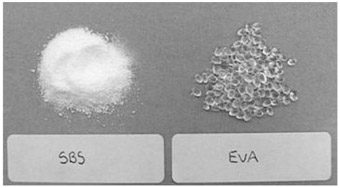
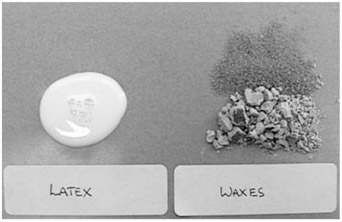
The various proprietary polymer-modified binders used in the UK asphalt industry are based mainly on thermoplastic elastomers or thermoplastic plastomers (Figures 22 and 23), although there is also some experience in using thermosetting binders based on epoxy resins. The essential differences between elastomeric and plastomeric polymers are however, becoming less obvious with continuous research in this area, particularly with the growth in co-polymer technologies. This section will briefly review the relative characteristics and benefits of these two main polymer types.
Other bitumen modifiers, such as natural rubber latex, pulverised crumb rubber and waste plastic, have been trialled. Certain chemical modifiers, e.g., sulfur and organometallic compounds, have also been trialed and claimed to have a finite stiffening effect on bitumen. However, all of these have proven to be less successful in use due to inferior performance, cost and health and safety grounds. A more practical reason restricting the use of different polymer-modified binders is the need for dedicated storage tanks, which is costly and potentially problematic for asphalt producers. Asphalt plants often have restricted areas for accommodating additional PMB tanks, and fluctuating market demand for polymer-modified asphalt means PMB can be left in hot storage for lengthy periods, sometimes resulting in remedial action being necessary to rectify the binder (take remedial action to return the binder's properties back to being within specification). This is less common these...