CDMA Capacity and Quality Optimization

Theoretical models of how code division multiple access (CDMA) subsystems should work allow us to build simulations to test ideas about our systems. A simulation is a model of a real-world system that can be used in an effort to predict what will happen in the real world or to assist with troubleshooting problems on the real-world system it models. In addition to simulations, we also can perform analysis to solve problems. Each approach is effective in different situations, as we will discuss here in Part 7, "Modeling for CDMA."
In Chap. 46, "Business-Case Models," we look at approaches to estimating the cost of a cellular system plan and ways to estimate revenue. Combining revenue estimates with cost estimates, we can generate cost-benefit analyses, return-on-investment (ROI) calculations, and other useful business analysis factors, such as revenue per customer.
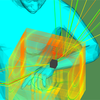
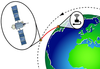
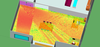
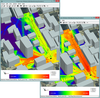
In Chap. 47, "Propagation Models," we present four different types of models that help us simulate coverage in CDMA cells: distance-based models, terrain-based models, in-building models, and ray-tracing models. In Chap. 48, "Subscriber Traffic Modeling," we add in our customers, the subscribers who use cellular services. This addition allows us to create simulations of our planned and existing cellular networks in use. We can run computer-based simulations that will show us a picture of likely call usage, capacity requirements, blocking rates, and capacity and quality problems on our networks.
Business-case models are designed...