Maintenance of Process Instrumentation in Nuclear Power Plants

Most critical process temperatures in nuclear power plants are measured using RTDs and thermocouples. For example, in a PWR plant, the primary coolant temperature and feedwater temperature are measured using RTDs, and the temperature of the water that exits the reactor core is measured using thermocouples. These thermocouples, called core-exit thermocouples, are mainly used for temperature monitoring purposes and are therefore not generally subject to very stringent requirements for accuracy and response-time performance. In contrast, primary coolant RTDs typically feed the plant's control and safety systems and must, therefore, be very accurate and have good dynamic performance. Because of the importance of RTDs and the stringent requirements for verifying their performance in nuclear power plants, the remainder of the material on temperature measurement in this book will focus mostly on how to verify that RTDs are working properly.
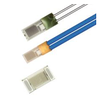
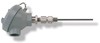
Used since the nineteenth century, RTDs have had sensing elements made out of platinum, copper, nickel, and other metals or alloys in which electrical resistance is proportional to temperature. Today, the sensing element of industrial RTDs are almost always made from platinum wire. Early RTDs were often fragile and unstable because the platinum sensing element became contaminated. Today, industrial RTDs are very rugged and reliable, and can be used in applications as extreme as the measurement of: (1) brake temperatures of over 1,000 C in high-speed aircraft; (2) primary coolant temperature in PWRs at temperatures up to about 350 C, flow rates of over 10 meters per...