Microvias: For Low Cost, High Density Interconnects

The first commercially used PID was a modified liquid solder mask produced in 1990 by IBM at Yasu, Japan. Modern PIDs are in the form of either liquid or dry film. For photovias with liquid photodielectric, the dielectric is curtain-coated and cured, microvias are exposed, and the dielectric is developed. Then the panel plating follows with patterning to create signal traces. For photovias with dry-film photodielectric, the dielectric is laminated, microvias are exposed, and the dielectric is developed. Panel plating follows with patterning to create signal traces.1
There are many PID materials available in the market, such as Probelec by Ciba, ViaLux PDDF by DuPont, ENVISION PDD-9015 by Enthone-Omi, and photoimageable resins produced by Dow, MacDermid, Morton, Shipley, Taiyo Ink, etc. The determining factors in materials selection depend upon the characteristics required. These can be categorized by dielectric type, e.g., epoxy or polyimide; the form the dielectric takes, e.g., liquid or film; and general physical characteristics of the dielectric, such as T g, dielectric constant, or moisture absorption. In selecting a dielectric material on the basis of these criteria, both manufacturing choices and end product design requirements must be taken into consideration.2
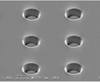
Microvias can be formed in mass production by photoimaging technology. The dielectric is applied over the base substrate, and the microvias are imaged and developed. Then this via layer is cured, adhesion-promoted, and copper-plated to connect the...