
PCI Express Bridge Electronic Bridges
Last Updated: April 1, 2025
Description
A PCI Express Bridge is a device that connects two PCI Express (PCIe) bus segments, allowing for communication between them. It serves as a translator between different bus protocols, enabling the integration of various components within a computer system. This bridge facilitates the connection of multiple PCIe modules to a single PCIe interface, thereby expanding the system's capabilities.
Working Principle
The PCI Express Bridge operates by translating data from one PCIe bus to another, ensuring seamless communication between different segments. It uses a layered architecture that allows for high performance and scalability. The bridge's design supports future upgrades in speed by modifying the Physical Layer without affecting the Data Link Layer or Transaction Layer. This architecture is beneficial as it maintains software compatibility while allowing for increased bandwidth and improved serviceability.
Applications
PCI Express Bridges are used in a variety of applications across different market segments. They are integral in desktop PCs, mobile PCs, enterprise servers, and communications switches and routers. For example, in high-performance computing environments, PCI Express Bridges enable the connection of multiple high-bandwidth devices such as disk controllers and multi-gigabit communication devices, ensuring maximum throughput.
Advantages over other Electronic Bridges
One of the primary advantages of PCI Express Bridges over other electronic bridges is their high performance and scalability. Unlike parallel bus architectures like AGP8x and PCI-X, PCI Express Bridges can achieve higher bandwidths without compromising software compatibility. The layered architecture allows for easy upgrades and improved serviceability, making them a preferred choice for next-generation multimedia and high-performance applications.
Limitations
A limitation of PCI Express Bridges is their exclusion of certain link configurations, such as x8 links, which may limit their use in specific applications where such configurations are required. Additionally, while they offer high performance, the complexity of their architecture may lead to increased initial costs and require more sophisticated maintenance.
Considerations
When considering PCI Express Bridges, it is important to evaluate the initial costs, which may be higher due to their advanced architecture and capabilities. Operating expenses should also be considered, as the power dissipation during operation can impact overall energy consumption. Durability and accuracy are generally high, but regular maintenance and potential replacement costs should be factored into the long-term planning. The scalability and ease of upgrading make them a cost-effective solution in the long run, despite the higher upfront investment.

from Magma
Magma ExpressBox1 is an easy-to-use external expansion device for attaching a PCI Express ® card to a laptop or desktop computer. In a mobile environment, ExpressBox1 allows a user to combine the power of a desktop and the mobility of a laptop into a powerful, flexible, mobile workstation. For... [See More]
- Product Type: PCI Express Bridge
- AC Input Voltage: 90 to 264
- Mounting Style: Rack Mounted; Stand Alone
- Frequency: 0.0470 to 0.0630
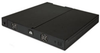
from Magma
The Magma PCI Express to PCI Express Expansion system provides a simple, cost effective solution for expanding the available PCI Express slots of workstations and servers. This provides an efficient way to maximize your workstation or server ’s total I/O capability and limit the number of CPUs... [See More]
- Product Type: PCI Express Bridge
- AC Input Voltage: 100 to 240
- Mounting Style: Rack Mounted
- Frequency: 0.0470 to 0.0630
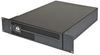
from Magma
The Magma PCI Express to PCI Express Expansion system provides a simple, cost-effective solution. for expanding the available PCI Express slots of workstations and servers. This provides an efficient. way to maximize your workstation or server ’s total. I/O capability and limit the number of... [See More]
- Product Type: PCI Express Bridge
- AC Input Voltage: 200 to 240
- Mounting Style: Rack Mounted
- Frequency: 0.0500 to 0.0600

from Magma
Magma ExpressBox4 1U is a reliable PCI Express expansion system designed for industrial environments where serviceability and availability features are required. ExpressBox4 provides a scalable method to increase the I/O capability of your server. Cost-Effective Migration and Increased I/O Capacity. [See More]
- Product Type: PCI Express Bridge
- AC Input Voltage: 90 to 264
- Mounting Style: Rack Mounted
- Frequency: 0.0470 to 0.0630

from Magma
The Magma PCI Express to PCI Express Expansion system provides a simple, cost-effective solution for expanding the available PCI Express slots of workstations and servers. This allows for significant cost savings to companies since it eliminates the need to invest in new computer hardware to be able... [See More]
- Product Type: PCI Express Bridge
- AC Input Voltage: 100 to 240
- Mounting Style: Rack Mounted
- Frequency: 0.0500 to 0.0600

from Magma
The EB7-x8G2 product is a member of the family of new generation of Magma Expansion products that falls under the umbrella of the EBU product offering. The EBU (ExpressBox Universal) addresses a host of applications and thus its name Universal. It is a platform that goes beyond the traditional... [See More]
- Product Type: PCI Express Bridge
- AC Input Voltage: 100 to 240
- Mounting Style: Rack Mounted
- Frequency: 0.0500 to 0.0600