
Temperature Compensated Digital Multimeters
Last Updated: April 1, 2025
Description
Temperature Compensated Digital Multimeters are specialized devices designed to measure electrical parameters such as voltage, current, and resistance with high accuracy, even when subjected to varying temperature conditions. These multimeters incorporate temperature compensation mechanisms to ensure that their readings remain stable and precise, regardless of environmental temperature fluctuations.
Working Principle
Temperature Compensated Digital Multimeters work by integrating temperature compensation techniques that counteract the errors typically introduced by temperature changes. This is achieved by applying an inverse signal that matches the error caused by temperature variations, thereby stabilizing the measurement output. This principle is similar to the one used in temperature-compensated oscillators, where an analog or digital method is employed to adjust the frequency or measurement output in response to temperature changes. This makes them particularly useful in environments where temperature stability is crucial for maintaining measurement accuracy.
Applications
Temperature Compensated Digital Multimeters are used in various applications where precise measurements are critical, and temperature conditions are variable. For example, they are employed in industrial settings for process control, where accurate monitoring of electrical parameters is essential despite fluctuating ambient temperatures. They are also used in laboratory environments for research and development purposes, where precise data collection is necessary under controlled temperature conditions.
Advantages over other Digital Multimeters
One of the primary advantages of Temperature Compensated Digital Multimeters over standard digital multimeters is their ability to maintain accuracy in environments with significant temperature variations. This feature is particularly beneficial in outdoor or industrial settings where temperature changes can otherwise lead to measurement errors. Additionally, these multimeters often include advanced features such as programmable settings and data logging capabilities, which enhance their functionality and usability in complex measurement scenarios.
Limitations
Despite their advantages, Temperature Compensated Digital Multimeters may have limitations, such as higher initial costs compared to standard multimeters due to the additional temperature compensation technology. They may also require more frequent calibration to ensure the accuracy of the temperature compensation mechanism, which can increase maintenance efforts and costs.
Considerations
When considering the purchase of a Temperature Compensated Digital Multimeter, it is important to evaluate factors such as initial cost, operating expenses, and durability. While these devices may have a higher upfront cost, their ability to provide accurate measurements in varying temperature conditions can justify the investment in environments where precision is critical. Additionally, users should consider the device's accuracy specifications, as well as potential replacement and maintenance costs, to ensure that the multimeter meets their specific needs and operational requirements.
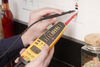
from Fluke
Fluke Digital Multimeters (DMM ’s) are on more tool belts, finding more problems, than any other comparable test tools. Each design is tested to the extreme: drop, shock, humidity, you name it. Every Fluke Digital Multimeter gives you what you need: accurate measurements; consistent, reliable... [See More]
- Options & Features: Has Alarm LED (optional feature); Battery powered; Data storage/ logging; Overload Protection; Programmable; Removable data storage (optional feature); Temperature Compensated; Thermal Camera, Wireless, Remote Display
- Measurement Type: AC / DC
- Form Factor: Handheld
- Display Digits: 3 Digits (optional feature); 4 Digits (optional feature); Plus a 1/2 digit
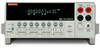
from Tektronix, Inc.
Keithley and Tektronix offer the widest range of bench and system digital multimeters (DMMs) to meet any measurement requirement. Whether you need a basic DMM for a student lab or a fast or accurate DMM for component, module, or assembled product, production testing, you can choose from 5 ½... [See More]
- Options & Features: Data Acquisition; Data storage/ logging; Temperature Compensated
- Measurement Type: AC / DC
- Form Factor: Bench top
- Display Digits: 7 or more digits