
USB Frequency Counters
Last Updated: April 1, 2025
Description
USB Frequency Counters are electronic instruments designed to measure the frequency of an input signal. They provide a digital readout of the frequency, allowing for precise measurement and analysis. These devices are typically equipped with a USB interface, enabling easy connectivity to computers and other digital systems for data transfer and further processing.
Working Principle
USB Frequency Counters operate by gating the input frequency into the counter for a predetermined time period. This gating process allows the counter to count the number of cycles of the input signal within that time frame, thereby determining the frequency. The digital nature of these counters ensures high precision and accuracy in measurement. The USB interface facilitates seamless data exchange with host devices, making them highly useful for applications requiring digital data processing and analysis.
Applications
USB Frequency Counters are widely used in various industries for tasks such as calibrating RF signals and verifying the frequency of transmitters and receivers. They are essential in research and development settings for characterizing electronic components and systems. Additionally, they are employed in manufacturing environments to ensure the quality and compliance of electronic products.
Advantages over other Frequency Counters
One of the primary advantages of USB Frequency Counters is their plug-and-play connectivity, which simplifies integration with modern PCs and laptops. This feature, combined with the ubiquity of USB ports, makes them more convenient and versatile compared to traditional frequency counters that may require specialized interfaces or connections.
Limitations
USB Frequency Counters may be limited by the data transfer rates supported by the USB standard. For applications requiring the transfer of large amounts of data, it is crucial to ensure that the USB interface can handle the necessary throughput. Additionally, the use of a single endpoint and interrupt transfer protocol can constrain the maximum data transfer rate, potentially affecting performance in high-speed applications.
Considerations
When selecting a USB Frequency Counter, it is important to consider factors such as initial cost, operating expenses, and durability. The accuracy of the device is paramount, especially in applications requiring precise frequency measurements. Maintenance and replacement costs should also be evaluated, as these can impact the long-term cost-effectiveness of the instrument. Ensuring compatibility with existing systems and the ability to handle the required frequency range are also critical considerations.
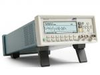
from Tektronix, Inc.
The Tektronix FCA and MCA Series frequency counter / timer / analyzer packs the functionality of a frequency counter, frequency meter and timer into one feature-rich instrument. With unprecedented resolution, you can capture very small frequency and time changes. Tektronix frequency counters and... [See More]
- Output Interface: Universal Serial Bus
- Frequency Range: 3.00E8 to 4.00E10
- Form Factor: Bench top
- Max Channels: 2 to 3

from Red Pitaya, d.o.o.
SDRlab 122-16 External clock is based on the SDRlab 122-16 model that is modified to be used with an external clock oscillator, which is important especially for RF applications that operate at other frequencies, require better quality clock or clock synchronization. [See More]
- Output Interface: Universal Serial Bus; RS232; I2C, SPI, UART, WiFi, Ethernet
- Frequency Range: 1 to 6.25E7
- Form Factor: Bench top; Rack mount (optional feature); Handheld (optional feature); Computer Board
- Max Channels: 4

from Red Pitaya, d.o.o.
SDRlab 122-16 was developed specifically for software-defined radio and more demanding RF applications. [See More]
- Output Interface: Universal Serial Bus; RS232; I2C, SPI, UART, WiFi, Ethernet
- Frequency Range: 1 to 6.25E7
- Form Factor: Bench top; Rack mount (optional feature); Handheld (optional feature); Computer Board
- Max Channels: 4

from Red Pitaya, d.o.o.
SIGNALlab 250-12 is most sophisticated Red Pitaya product, built for more demanding industrial applications and research, where robustness and performance matter more than cost. [See More]
- Output Interface: Universal Serial Bus; RS232; I2C, SPI, UART, WiFi, Ethernet
- Frequency Range: 1 to 6.25E7
- Form Factor: Bench top; Rack mount (optional feature); Handheld (optional feature); Computer Board
- Max Channels: 4

from Red Pitaya, d.o.o.
STEMlab 125-14 4 Inputs is based on STEMlab 125-14 board, but instead of 2 inputs and 2 output channels offers 4 Input channels that with improved performance. [See More]
- Output Interface: Universal Serial Bus; RS232; I2C, SPI, UART, WiFi, Ethernet
- Frequency Range: 1 to 6.25E7
- Form Factor: Bench top; Rack mount (optional feature); Handheld (optional feature); Computer Board
- Max Channels: 4

from Red Pitaya, d.o.o.
STEMlab 125-14 is our most versatile and popular product, which was introduced to the market in 2013 when Red Pitaya was established. Since then it has been used in a wide variety of contexts, from hobbyists and ham radio operators to industry, research, and space applications. [See More]
- Output Interface: Universal Serial Bus; RS232; I2C, SPI, UART, WiFi, Ethernet
- Frequency Range: 1 to 6.25E7
- Form Factor: Bench top; Rack mount (optional feature); Handheld (optional feature); Computer Board
- Max Channels: 4

from Red Pitaya, d.o.o.
STEMlab 125-14 is our most versatile and popular product, which was introduced to the market in 2013 when Red Pitaya was established. Since then it has been used in wide variety of contexts, from hobbyists and ham radio operators to industry, research and space applications. [See More]
- Output Interface: Universal Serial Bus; RS232; I2C, SPI, UART, WiFi, Ethernet
- Frequency Range: 1 to 6.25E7
- Form Factor: Bench top; Rack mount (optional feature); Handheld (optional feature); Computer Board
- Max Channels: 4

from Red Pitaya, d.o.o.
STEMlab 125-14 Edu Pack is based on Red Pitaya's best-selling DAQ platform and with the chosen accessories a perfect fit for educational purposes. [See More]
- Output Interface: Universal Serial Bus; RS232; I2C, SPI, UART, WiFi, Ethernet
- Frequency Range: 1 to 6.25E7
- Form Factor: Bench top; Rack mount (optional feature); Handheld (optional feature); Computer Board
- Max Channels: 4