
Tube Sealing Machines
Description
Tube sealing machines are specialized equipment designed to seal the ends of tubes, which are typically used for packaging products such as creams, gels, and pastes. These machines ensure that the contents of the tube are securely enclosed, preventing leakage and contamination.
Working Principle
Tube sealing machines operate by applying heat and pressure to the open end of a tube. The machine typically uses a heated sealing platen or bar, which is brought into contact with the tube's end. The heat causes the material of the tube to melt slightly, and the pressure ensures that the melted edges fuse together to create a tight seal. This process is often automated, allowing for consistent and efficient sealing of large quantities of tubes. The utility of tube sealing machines lies in their ability to provide a reliable seal that maintains the integrity of the product inside, which is crucial for maintaining quality and shelf life.
Applications
Tube sealing machines are widely used in industries such as cosmetics, pharmaceuticals, and food processing. For example, in the cosmetics industry, they are used to seal tubes containing lotions and creams. In the pharmaceutical industry, they are essential for packaging ointments and gels. In the food industry, they can be used for sealing tubes of condiments or pastes.
Advantages over other Sealing Machines
Tube sealing machines offer specific advantages over other types of sealing machines, particularly when dealing with flexible packaging materials. They provide a more secure seal for products that require a high level of protection from environmental factors. Additionally, they are often more efficient for sealing small, flexible containers compared to other sealing methods that may be better suited for rigid packaging.
Limitations
One limitation of tube sealing machines is that they are generally designed for specific types of tubes and may not be as versatile as other sealing machines that can handle a wider variety of packaging formats. Additionally, the initial setup and calibration of these machines can be time-consuming, especially when switching between different tube sizes or materials.
Considerations
When considering the purchase and operation of a tube sealing machine, several factors should be taken into account. Initial costs can be significant, particularly for high-capacity or highly automated machines. Operating expenses include energy consumption and the cost of consumables such as sealing bars or platens. Durability and accuracy are important for ensuring consistent sealing quality, and regular maintenance is necessary to prevent downtime and extend the machine's lifespan. Replacement parts and maintenance costs should also be factored into the overall cost of ownership.
from Windmoeller & Hoelscher Corporation
Designed for wider range of sizes than any other valve bottomer, for paper [See More]
- Packaging: Bag; Tube; Sack Tubes
- Type: Automatic
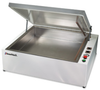
from Terra Universal, Inc.
Comes in both gas flush and non-gas flush models. Cleanroom compatible. Produces clean, wrinkle-free seals. Consistent vacuum pressure through preset controls. Large 22" x 22" x 4" (559 mm x 559 mm x 102 mm) vacuum chamber. Works at the touch of a button. Two-year parts and labor warranty [See More]
- Packaging: Bag; CupTray; Tube; Tapes
- Type: Manual