
Polystyrene Polystyrene Resins and Styrene Copolymers

from Teknor Apex Company
Material Status. Commercial: Active. Availability. Asia Pacific. Features. Electrically Conductive. Uses. Packaging. RoHS Compliance. RoHS Compliant. Appearance. Black. Forms. Pellets. Processing Method. Extrusion. Injection Molding [See More]
- Chemical System: Styrene or Polystyrene
- Form / Shape: Pellets
- Process Type: ExtrusionGrade
- Industry: Packaging

from Idemitsu Chemicals USA Corporation
Offering the ability to comply with the most stringent U.L. 94 flammability requirements the Xarec EA products offer a cost effective means to take advantage of the value that a styrenic product can offer your electronic and electrical applications: superior electrical insulation & durability. A... [See More]
- Chemical System: Styrene or Polystyrene
- Form / Shape: Pellets
- Process Type: MoldingCompound
- Filler: Glass or FRP
from Chi Mei Corporation
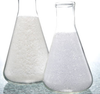
This solid polymer is formed by heat polymerization of styrene monomer. This product is referred to as the general purpose polystyrene, also known as hard plastic. Generally speaking, general purpose polystyrene has the advantages of being bright, lightweight, transparent, low cost, etc. In... [See More]
- Chemical System: Styrene or Polystyrene
- Filler: Unfilled
- Process Type: MoldingCompound
- Industry: TPE modifier can increase the hardness of the molded products
from Scientific Polymer Products, Inc.
Polystyrene. Catalog # : 039A. CAS : 9003-53-6. Physical Form : Pellets. Approx Mw : 260,000. Density (g/cc) : 1.05 (23C). Refractive Index : 1.5894. Vicat Softening Point (C) : 103. TSCA : TSCA listed. Tg (C) : 100. Misc : Melt flow index 3 g/10min (200C); Solubility parameter 9.1. Soluble in :... [See More]
- Chemical System: Styrene or Polystyrene
- Index of Refraction: 1.59
from Idemitsu Chemicals USA Corporation
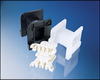
Offering the ability to comply with the most stringent U.L. 94 flammability requirements the Xarec EA products offer a cost effective means to take advantage of the value that a styrenic product can offer your electronic and electrical applications: superior electrical insulation & durability. A... [See More]
- Chemical System: Styrene or Polystyrene
- Form / Shape: Pellets
- Process Type: MoldingCompound
- Filler: Glass or FRP
from Idemitsu Chemicals USA Corporation
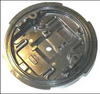
Material: Xarec EA533. Lower hydraulic pressure, better flow than PBT. Better dimensional stability than PBT. Faster cycle time than PBT. Better electrical durability than PBT. Application Requirements: UL 94 V0. Good dimensional stability. [See More]
- Chemical System: Styrene or Polystyrene
- Form / Shape: Pellets
- Process Type: MoldingCompound
- Filler: Glass or FRP

from Idemitsu Chemicals USA Corporation
Offering more strength and ductility than the WA grades, the N WA grades have been formulated with Nylon 66 to create a unique blend that offers strength and ductility, in the complex tool designs frequently encountered underhood in automotive USCAR class 3 and 4 environments. The N WA7020-02 and N... [See More]
- Chemical System: Styrene or Polystyrene
- Form / Shape: Pellets
- Process Type: MoldingCompound
- Filler: Glass or FRP; Nylon

from Idemitsu Chemicals USA Corporation
Lower dielectric heating than PPS due to low dissipation factor. Easier processing than PPS. Lower cost than PPS. Application Requirements: Heat and chemical resistance. Dimensional stability for part flatness. [See More]
- Chemical System: Styrene or Polystyrene
- Form / Shape: Pellets
- Process Type: MoldingCompound
- Filler: Glass or FRP
from Idemitsu Chemicals USA Corporation
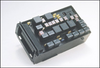
Material: Xarec WA210. Better humidity resistance than PBT or Nylon. Better dimensional stability than PBT or Nylon. Faster cycle time and easier flow in tools than PBT. Lighter weight than PBT. Application Requirements: USCAR Class 3 heat and humidity resistance. Dimensional tolerance accuracy for... [See More]
- Chemical System: Styrene or Polystyrene
- Form / Shape: Pellets
- Process Type: MoldingCompound
- Filler: Glass or FRP
from Idemitsu Chemicals USA Corporation
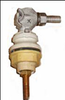
Material: Xarec WA550. Better chemical resistance to transformer oils than PET. Better hydrolytic stability (no drying) than PET. Easier to process than PET. Application Requirements: Chemical resistance. Good dimensional [See More]
- Chemical System: Styrene or Polystyrene
- Form / Shape: Pellets
- Process Type: MoldingCompound
- Filler: Glass or FRP