
-
Supplier: Accuris
Description: Low MDI Urethane Foam, Prepolymer
-
Supplier: Accuris
Description: Low MDI Urethane Acoustical Foam, Prepolymer
-
Supplier: Accuris
Description: STANDARD TEST METHOD FOR FREE TOLUENE DIISOCYANATES IN URETHANE PREPOLYMERS AND COATING SOLUTIONS BY GAS CHROMATOGRAPHY
-
-
Supplier: Accuris
Description: STANDARD TEST METHOD FOR ISOCYANATE GROUPS IN URETHANE MATERIALS OR PREPOLYMERS
-
Supplier: ACCRAbond, Inc.
Description: CONATHANE® RN-1526 is a liquid prepolymer that produces a semi-rigid urethane with the elasticity of rubber.
- End Product: Elastomer
- Chemical Structure: Prepolymer
-
Supplier: ASTM International
Description: 1.1 This test method covers the determination of the isocyanate group (NCO) content of a urethane intermediate or prepolymer. 1.2 This standard does not purport to address all of the safety problems, if any, associated with its use. It is the responsibility of the user of this standard
-
Supplier: ASTM International
Description: 1.1 This test method covers the determination of free toluene diisocyanates in urethane prepolymers and unpigmented coating solutions. Note 1-This test method may also be useful for the determination of free isocyanate monomers of other types upon taking precautions to confirm
-
Supplier: ASTM International
Description: 1.1 This test method covers the determination of the isocyanate group (NCO) content of a urethane intermediate or prepolymer. 1.2 The values stated in SI units are to be regarded as standard. No other units of measurement are included in this standard. 1.3 This standard does not
-
Supplier: Epoxies Etc...
Description: 70-2800 Polyurethane Elastomer Series are a line of high performance urethane prepolymers based on menthane diisocyanate, MDI. They do not contain MOCA or TDI. 70-2800 Urethanes are very low in viscosity, have extremely low shrinkage, and excellent air release properties.
- Viscosity: 1,000 to 3,200 cP
- Substrate Compatibility: Ceramic / Glass, Metal, Plastic
- Features: Die Bonding Adhesive / Compound, Encapsulanting / Potting, Flexible / Dampening
- Chemical System: Polyurethane (PU, PUR)
-
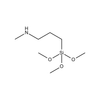
Supplier: Gelest, Inc.
Description: microparticle surface modification Coupling agent for UV cure and epoxy systems Orients liquid crystals Reacts with urethane prepolymers to form moisture-curable resins
- Flash Point: 179.6 F
- Purity: 97 %
- Features: Metalloids (B, Si, Ge, etc.), Non-Metals (C, N, O, P, S)


Find Suppliers by Category Top
More Information Top
 Indicates content that may require registration and/or purchase.

-
Properties of UV‐curable polyurethane acrylates for primary optical fiber coating
In this vein, we used polypropylene glycol (PPG) or a mix- ture of PPG and PBD with various concentrations as well as PBD alone to prepare the urethane pre- polymers , We investigated the effects of the types and concentrations of the polyols …
-
Properties of UV‐curable polyurethane acrylates using nonyellowing polyisocyanate for floor coating
In this vein, therefore, we used four different an- tiyellowing polyisocyanates and two hydroxyacry- lates to prepare urethane prepolymers .
-
Chemorheology and thermomechanical characteristics of benzoxazine‐urethane copolymers
The results reveal that a processing window of the BA‐a/PU mixtures is widened with the increasing urethane prepolymer fraction, that is, the liquefying temperature is lowered and the gel point shifted to higher temperature with the amount of the PU.
-
Alloys and Composites of Polybenzoxazines
Jamshidi S, Yeganeh H, Mehdipour-Ataei S (2011) Poly(urethane-co-benzoxazine)s via reaction of phenol terminated urethane prepolymers and benzoxazine monomer and investigation of their properties.
-
The Synthesis of Isocyanated DOPA Derivatives for Bioadhesives Application: Part I
Therefore, in this work, l‐3,4‐dihydroxyphenylalanine (l‐DOPA) as a third component from mussel's adhesive proteins was introduced to the urethane prepolymer to enhance the adhesive ability through a series of chemical reactions such as esterification, amidation, and handling of protection groups.
-
Effects of polyol molecular weight on properties of benzoxazine–urethane polymer alloys
Recently Rimdusit et al. reported the comparison of benzoxazine alloying with isophorone diisocyanate (IPDI)-based urethane prepolymers and with flexible ep- oxy [3].
-
Synthesis and characterization of rubber‐seed‐oil‐based polyurethanes
In this study, RSO-based urethane prepolymers termi- nated with isocyanate (NCO) groups were synthe- sized with RSO monoglyceride derived from the glycerolysis of the oil.
-
Handbook of Food Packaging Chemicals and Materials
Chem. Descrip.: TDI-polyether urethane prepolymer See Polyurethane prepolymer .
-
Novel polyurethane hydrogels for biomedical applications
Abstract Polyurethane hydrogels derived from UV‐curable urethane prepolymer and hydrophilic monomers were prepared and their properties were evaluated.