Lockers Information
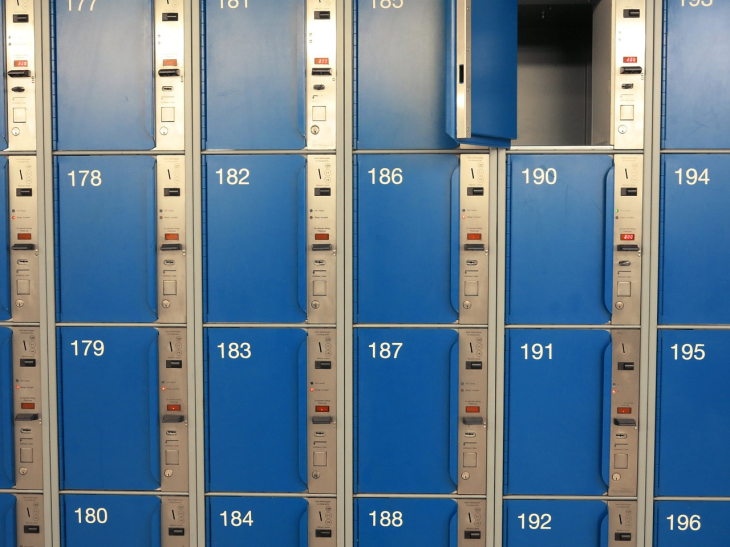
Figure 1: Wherever the need exists to store items securely by many people, lockers are present. Source: Pixabay
Lockers can be found in high schools, gyms, airports, and many other locations throughout the world. Wherever the need exists to store items securely by many people, lockers are present. Lockers allow for quick, easy, and secure storage of belongings or other goods in an easily accessible manner. Lockers have evolved over the years to incorporate more technology to make them safer and easier to use.
Theory of Operation
A locker in its simplest form is just a secure storage compartment. Lockers must provide mechanisms to securely store items and allow for them to be easily retrieved later. The operation of a locker typically involves the following components:
- Storage compartment
- Door
- Lock mechanism
- Latch mechanism
The main body of the locker where items are stored is referred to as the storage compartment. It can vary in size depending on the use case. Often rectangular, the overall dimensions and internal shelves depend greatly on the application.
The door of the locker provides access to the storage compartment. It's typically hinged on one side to allow it to swing open and closed. Some locker designs might use sliding or rolling doors instead but hinged doors are by far the most popular.
For a locker to be secure, the door must only open for certain people to prevent undesirable access to the storage compartment. The lock mechanism is the key component that secures the locker. The lock mechanism can vary widely from locker to locker with common options including key locks, combination locks, and electronic locks.
Key locks are the most traditional type of lock. They involve a key that is inserted into the lock and turned to open or secure the locker. Combination locks involve a series of numbers or symbols that must be entered in the correct sequence to open the lock. This is commonly seen in school lockers. Electronic locks are becoming more common with the advent of technology. They can involve keypads, card readers, or even biometric scanners.
The latch mechanism is what physically keeps the locker door closed when the lock is engaged. It often involves a bolt that slides into a hole or loop when the door is closed and the lock is engaged. When the lock is opened, the bolt is retracted, allowing the door to be opened.
Locker design can vary widely based on the desired applications and available budgets. While many combination lockers may appear virtually unchanged from decades ago, modern electronic lockers can be quite advanced.
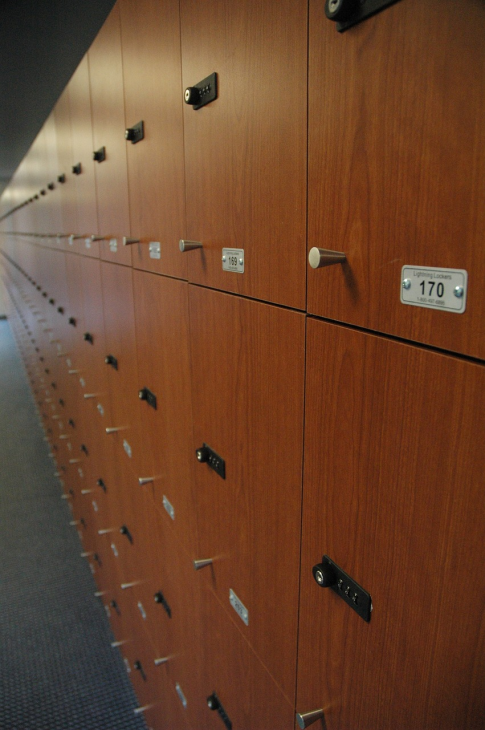
Figure 2: Locker specifications can vary greatly depending on their intended us. Source: Pixabay
Specifications
Locker specifications can vary greatly depending on their intended use, but generally, they include the following:
Dimensions
This includes the height, width, and depth of the locker. These dimensions can be influenced by the intended use of the locker. For instance, school lockers are often tall and narrow to accommodate books and backpacks, while gym lockers might be shorter and wider to accommodate clothes and sports equipment.
Material
Lockers can be made from a variety of materials, including metal (such as steel), plastic, wood, or even a combination of materials. The material chosen can influence the locker's durability, weight, cost, and appearance.
Type of Lock
This could be a key lock, combination lock, electronic lock, or other types of lock. The type of lock chosen can depend on the level of security needed and the convenience of the user.
Number of Compartments
Some lockers have a single compartment, while others might have multiple compartments. This can be influenced by the amount and type of items expected to be stored in the locker.
Ventilation
Some lockers include ventilation holes or slits to allow air to circulate inside. This is particularly important for lockers intended to store clothes or other items that might need to 'breathe' or dry out. Lockers with improper ventilation may generate smells and other undesirable characteristics.
Color and Finish
The color and finish of the locker might be specified for aesthetic reasons, or to match the decor of the surrounding environment.
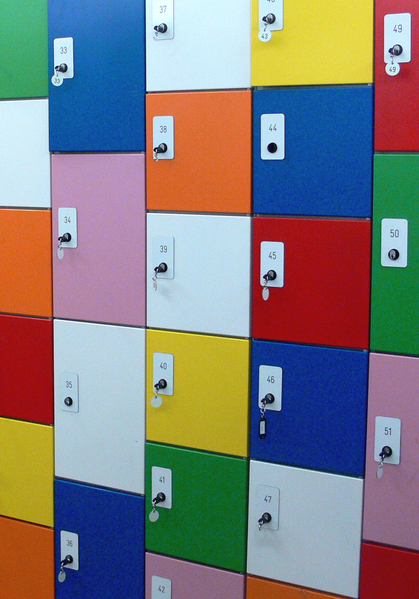
Figure 3: Lockers might also include additional features like shelves, hooks, mirrors, or charging stations for electronic devices. Source: Andreas Praefcke/Public domain
Additional Features
Depending on their use, lockers might also include additional features like shelves, hooks, mirrors, or charging stations for electronic devices.
Compliance with Standards
If the lockers are being used in a particular industry or context, they might need to comply with specific standards or regulations. For example, lockers used in schools or workplaces might need to comply with fire safety or accessibility standards.
Types
Lockers come in a variety of types, each designed for specific applications and uses. Here are some of the common types:
School Lockers
These are typically narrow and tall, made to fit in hallways and accommodate books, backpacks, and coats. They typically feature a combination lock or sometimes key locks.
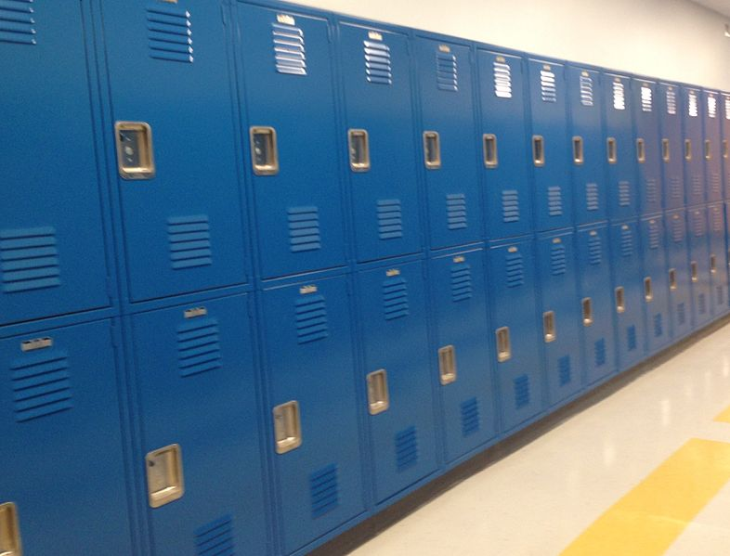
Figure 4: are typically narrow and tall, made to fit in hallways and accommodate books, backpacks, and coats. Source: Alancanonj2006/CC BY-SA 4.0
Gym or Health Club Lockers
These are used to store clothing, workout gear, and personal items. They can vary in size and often have combination or key locks. Some modern gym lockers may also feature digital or electronic locks.
Workplace Lockers
These are used in offices and other workplaces for employees to store personal belongings. They can range in size depending on the type of workplace and what items need to be stored.
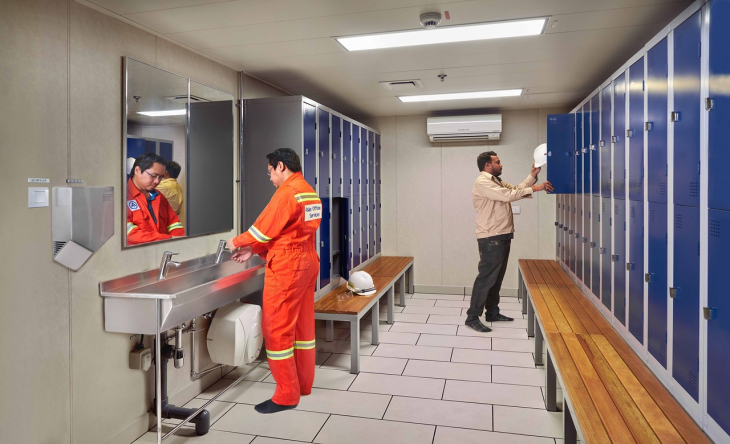
Figure 5: These are larger units often found in public places like train stations, airports, or even in apartment buildings. Source: Pixabay
Storage Lockers
These are larger units often found in public places like train stations, airports, or even in apartment buildings. They're designed to hold luggage, large items, or long-term storage.
Locker Room Lockers
Found in sports facilities, these are designed to hold sports equipment, uniforms, and personal items. They are often larger to accommodate bulky sports gear.
Bank Lockers/Safety Deposit Boxes
These are small, highly secure lockers found in banks, used to store valuable items like jewelry, important documents, and more.
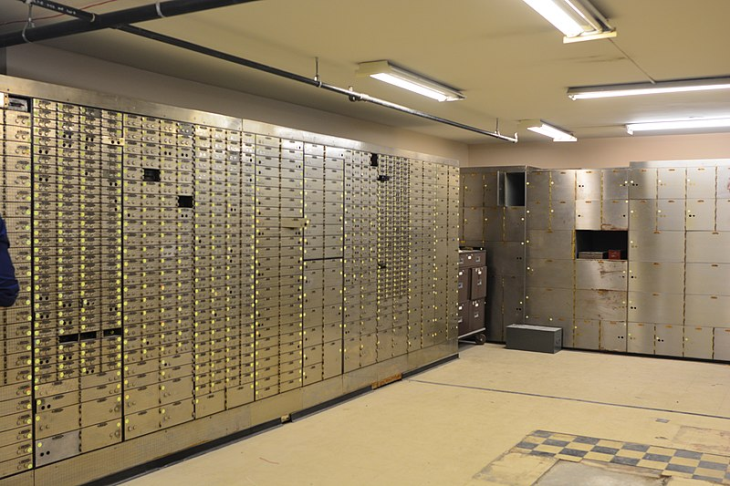
Figure 6: Used in law enforcement, these are secure lockers for holding evidence for ongoing investigations. Source: Joe Mabel/CC BY-SA 4.0
Evidence Lockers
Used in law enforcement, these are secure lockers for holding evidence for ongoing investigations. They require high security and accountability.
Refrigerated Lockers
These are temperature-controlled lockers used in grocery stores or food delivery services to keep items cold or frozen.
Electronic Lockers or Smart Lockers
These lockers use electronic locks that can be accessed using a PIN, access card, or biometric data. They are often used in modern workplaces, gyms, or high-security areas.
Parcel or Package Lockers
These are increasingly common in apartment complexes and are used for secure delivery and pickup of packages. They often feature electronic locks that can be opened with a unique code sent to the recipient.
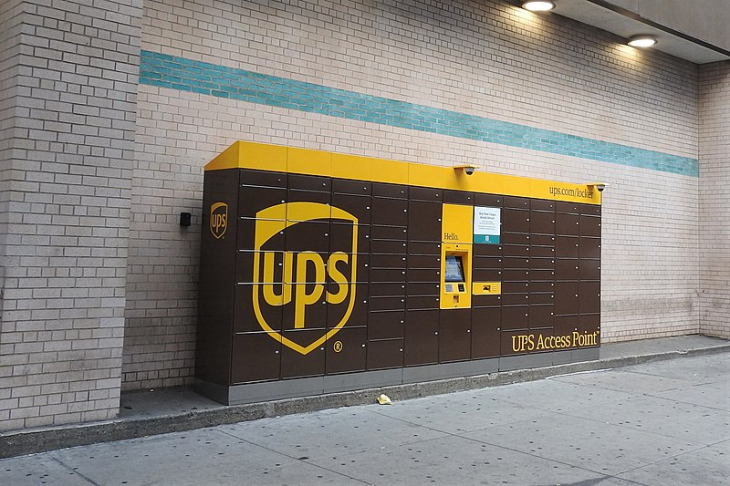
Figure 7: Parcel or package locker are increasingly common in apartment complexes and are used for secure delivery and pickup of packages. Source: Jim.henderson/CC BY-SA 4.0
Remember, these categories are not mutually exclusive. A locker can be a gym locker and an electronic locker at the same time, for example. The design of a locker will depend on its intended use and the needs of the users.
Features
Lockers can have a variety of features designed to enhance security, convenience, and usability. Here are some common features you might find:
Locking Mechanism
This is perhaps the most critical feature of a locker. It can range from traditional key locks and combination locks to more modern electronic locks that use keypads, card readers, or even biometrics.
Ventilation
Many lockers feature ventilation holes or slots, particularly those intended for storing clothes or athletic equipment, to prevent the buildup of odors and to allow items inside to dry.
Interior Hooks and Shelves
These can be used to hang clothes or bags and to organize smaller items. Some lockers may also have mirrors or charging outlets for electronic devices.
Finish
Lockers often have a powder coat or other finish to enhance their appearance and to protect against rust and corrosion.
Sloping Tops
Some lockers, particularly those in schools or workplaces, have sloping tops to prevent people from leaving items on top of them.
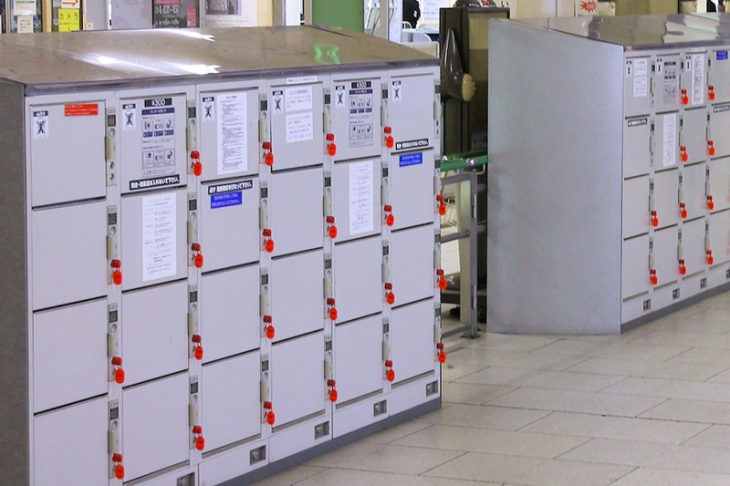
Figure 8: Coin baggage lockers at Kyoto Station, Japan. Source: Marek Slusarczyk/CC BY 3.0
Numbered or Named Compartments
This feature helps users identify their locker quickly. It also assists in maintenance by allowing for easy recognition of lockers that need servicing.
ADA Compliance
In certain cases, lockers may need to be compliant with the Americans with Disabilities Act (ADA). This could affect the locker's height, the type of lock used, and other features.
Sound-Dampening Features
Some lockers might incorporate design elements to minimize noise when the doors are opened or closed. Metal lockers without such features can be quite loud, especially when many people are accessing their lockers at the same time.
Manufacture
The manufacturing process for lockers varies depending on the type of locker, the materials used, and the specific design. The general process for manufacturing common steel lockers follows these general steps:
- Material preparation
- Cutting and shaping
- Punching and drilling
- Assembly
- Finishing
- Inspection and quality control
The process begins with large sheets of steel, which are cleaned and prepared. This may involve removing any oil or dirt from the steel, and sometimes involves treating the steel to prevent rust. The steel sheets are then cut into the necessary pieces for the locker. This can include the sides, back, top, bottom, and door of the locker.
The cutting process is typically done using a combination of computer-controlled machinery and manual labor. After cutting, the steel pieces are bent into the appropriate shapes. For example, the sides of the locker are typically bent at a 90° angle to create a corner.
Next, holes are punched or drilled into the steel pieces for ventilation, assembly, and for the lock mechanism. The size, shape, and location of these holes can vary depending on the locker design.
With the pieces cut and shaped, they are then assembled into a locker. This typically involves welding or riveting the pieces together. The door is hinged to the body of the locker, and the lock mechanism is installed.
After assembly, the locker is finished to improve its appearance and durability. This typically involves applying a powder coat, which is a type of coating that's applied as a free-flowing, dry powder. The locker is then heated, which causes the powder to fuse into a hard, protective layer.
Finally, the finished locker is inspected to ensure it meets quality standards. This can involve checking the locker's dimensions, the operation of the door and lock, the quality of the finish, and other factors.
Again, this is a general process and may not apply to all types of lockers. For example, wooden lockers or plastic lockers would likely have a different manufacturing process. Additionally, more complex lockers, such as those with electronic locks or other advanced features, have additional manufacturing steps.
Applications
Lockers are used in a variety of settings for secure storage, organization, and protection of personal or shared items. Here are some common applications:
Educational Institutions
Schools and universities use lockers to provide students with a secure place to store their books, school supplies, and personal items.
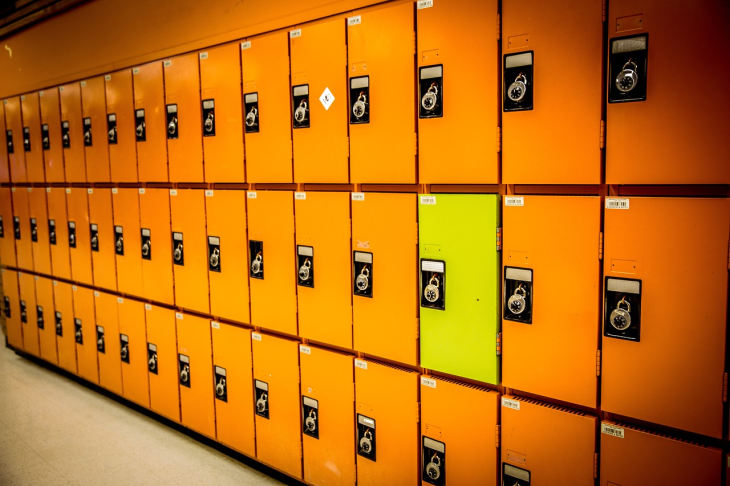
Figure 9: Lockers are used for storing clothing, workout gear, and personal items while members are using the facility. Source: Pixabay
Health Clubs and Gyms
Lockers are used for storing clothing, workout gear, and personal items while members are using the facility.
Workplaces
Many offices, factories, or other workplaces provide lockers for employees to store personal belongings, work equipment ,and uniforms.
Public Transportation Hubs
Airports, bus stations, and train stations often have lockers for temporary storage of luggage or other items.
Hospitals and Health Care Facilities
Lockers are used by staff for personal items and by patients for their belongings. Specialized lockers may also be used for storing medication or medical supplies.
Recreational Facilities
Swimming pools, ski resorts, amusement parks, and similar venues often provide lockers for guests to securely store personal items while they are using the facility.
Retail and Grocery Stores
Some stores offer lockers for customers to store their personal belongings while shopping. Additionally, refrigerated lockers are becoming increasingly popular for storing groceries for pickup.
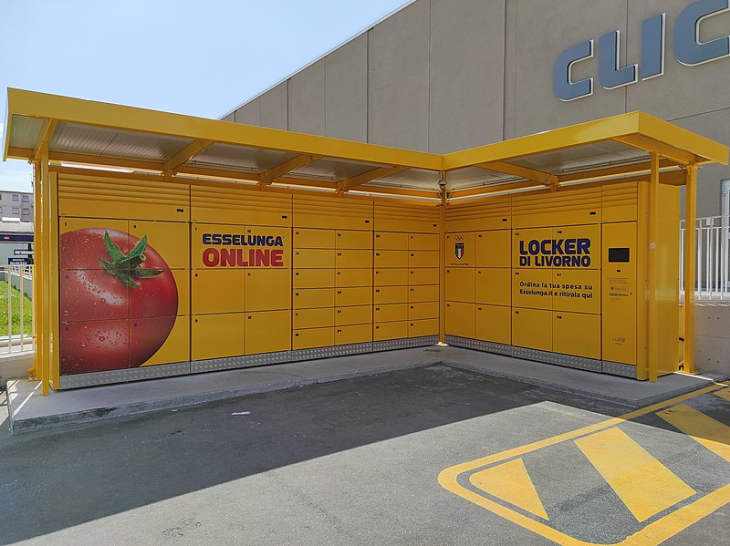
Figure 10: Apartment buildings and condominiums often have lockers for residents to use for package delivery or additional storage. Source: Marcxosm/Public domain
Residential Buildings
Apartment buildings and condominiums often have lockers for residents to use for package delivery or additional storage.
Banks
Banks provide small lockers, also known as safe deposit boxes, for customers to securely store valuables and important documents.
Law Enforcement and Military Facilities
Evidence lockers are used in law enforcement to securely store evidence for cases. Military facilities also use lockers for secure storage of equipment and personal belongings.
These are just a few examples. The applications for lockers are vast and varied, and they can be found in many other settings as well.
Standards
Standards that apply to lockers are typically set by regulatory bodies and professional organizations. They can encompass a variety of areas, including accessibility, safety, and dimensions.
One example of a standard comes from the 2010 ADA (Americans with Disabilities Act) Standards, which states that when lockers are provided, at least 5%, but no fewer than one of each type, shall comply with the ADA's regulations for accessibility?.
Each application can be different and may require specific accessibility requirements. It is important to be aware of requirements for the application that come from the authority having jurisdiction for any project.