
Magnetic Shielding Information
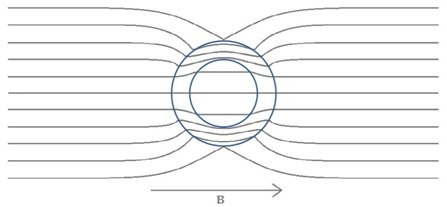
Figure 1: Magnetic shielding. Source: MjKim 1790/CC BY-SA 3.0
Magnetic fields exist both naturally and from man-made sources, but sometimes these fields can be a nuisance. While these magnetic fields typically do not pose any issue, for certain pieces of equipment or processes these magnetic fields must be redirected to shield the area and allow for proper operation.
Magnetic shielding works to protect areas and instruments from magnetic fields by deflecting or redirecting magnetic flux away from the area being protected. Magnetic shielding can also do the opposite function by containing intense magnetic fields generated by instruments or devices. Without shielding, the magnetic flux can interfere with electronic devices and prevent proper operation.
Theory of Operation
Magnetic fields can be generated both naturally and by human created devices. For certain operations or instruments, magnetic fields can prevent proper operation. Materials interact with magnetic fields in different ways, which is where magnetic shielding comes in. Magnetic shielding relies on specific types of material to deflect or redirect these fields away or around the area being protected.
Materials are considered either permeable or non-permeable to magnetic fields. Permeable materials like iron, nickel, and cobalt become magnetized when exposed to magnetic fields. These permeable materials interact with and redirect the magnetic fields, effectively shielding materials on the other side of the magnetic field.
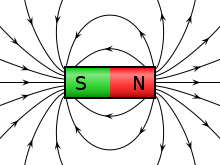
Figure 2: Magnetic field of an idealized cylindrical magnet. Source: Geek3/CC BY-SA 3.0
When a magnetic field encounters a permeable material, the material provides a more efficient path for the magnetic flux to travel. This more efficient path prevents the magnetic flux from traveling through the permeable material into the area being protected. This principle is known as the shielding effect, and it can be used to create a barrier that protects sensitive equipment from the effects of magnetic fields.
The shape and type of materials used for magnetic shielding depend on the strength and frequency of the magnetic field being redirected. Specific requirements of the application will also affect how magnetic shielding is chosen. Some common methods include using high-permeability alloys or coatings, creating a magnetic shield using a Faraday cage or a Mu-metal shield, and using superconducting materials to produce a magnetic field that cancels out the external field.
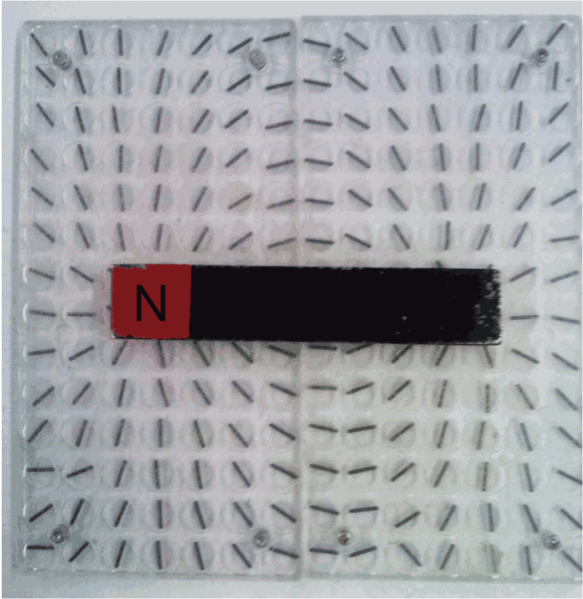
Figure 3: A magnet resting on a compass board. Source: Chetvorno/CC BY-SA 4.0
Specifications
Magnetic shielding is often application specific and the details can vary depending on the strength of the magnetic field involved. Important specifications to be aware of include:
Magnetic Field Strength
The strength of the magnetic field that needs to be shielded can be an important specification to consider. The shielding material must be able to reduce the magnetic field to a level that is safe for the sensitive equipment.
Material Type
Almost any ferrous metal can be used to make magnetic shielding. Make sure that the chosen material type is a good fit for the application and meets any other relevant requirements.
Frequency Range
Just as with electricity, frequency is an important factor of magnetic fields. The frequency range of the magnetic field that needs to be shielded should be considered when selecting the appropriate shielding material as the material will respond differently to the different frequencies.
Shielding Effectiveness
This parameter measures the effectiveness of the shielding material, or the ratio of the magnetic field outside the shield to the magnetic field inside the shield. The higher the shielding effectiveness, the more effective the shielding material is at reducing the magnetic field.
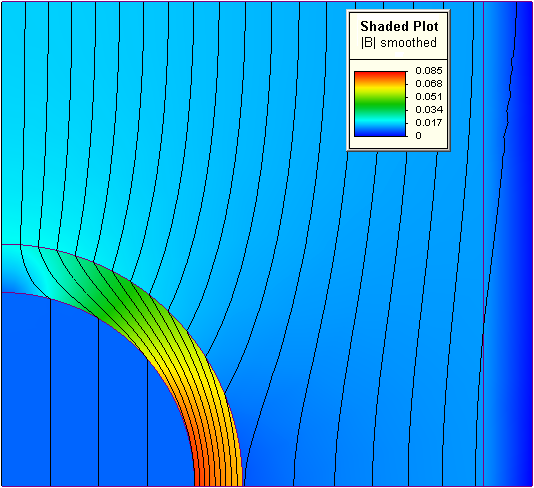
Figure 4: An example of a two-dimensional FEM (finite element method) solution for a cylindrically shaped magnetic shield. Source: Zureks/CC BY-SA 3.0
Size and shape
Magnetic shielding can come in many different shapes and sizes. Depending on the application, size and shape can be critical specifications. Size and shape are especially important when ensuring that the sensitive equipment can fit inside while still providing adequate protection.
Temperature Range
The shielding material should be able to withstand the temperature range of the environment in which it will be used. Temperature can also have an impact on the magnetic shielding’s shielding effectiveness so it is important to keep this in mind when selecting shielding for the application.
Types
There are several types of magnetic shielding techniques that can be used to protect sensitive equipment and instruments from the effects of magnetic fields. Some common types of magnetic shielding include:
Magnetic Shields
Physical barriers constructed with high magnetic permeability are typically referred to as magnetic shields. Mu-metal or permalloy are common material choices. The shield can be shaped to fit around the sensitive equipment, and it works by absorbing the magnetic field and redirecting it away from the equipment.
High-permeability Alloys or Coatings
These materials are often used as a thin layer on the surface of the equipment or as a coating on the inside of the equipment housing. They can help to reduce the magnetic field strength by redirecting the field lines around the sensitive components. These coatings are much easier to apply than constructing a full magnetic shield.
Active Magnetic Shields
While most magnetic shields passively work to reroute magnetic fields, active magnetic shields use electromagnets to generate a magnetic field that cancels out the external field. This can be an effective method for shielding against high-frequency magnetic fields. Active magnetic shields tend to be more expensive due to the more complicated construction and control system.
Superconducting Shields
Superconducting materials are excellent conductors of both electrical and magnetic fields. Superconducting shields are highly effective at rerouting magnetic fields around areas being protected. The downside of superconducting shields is the cryogenic temperature requirement to maintain the superconducting state.
The correct type of magnetic shield to choose is highly dependent on the application. For complex scenarios or strong magnetic fields, combinations of approaches can be chosen.
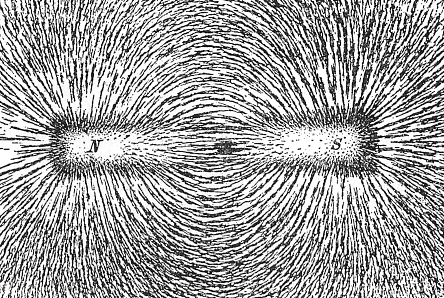
Figure 5: Iron fillings spread along magnetic field lines of a bar magnet. Source: Public domain
Features
When comparing different types of magnetic shielding, knowing which features to look for can save a great deal of time. Some common features of magnetic shielding include:
High Permeability
The shielding material should have a high magnetic permeability, which means it can easily redirect magnetic field lines and provide a strong shielding effect. Highly magnetically permeable materials simply translate into more effective magnetic shields.
Easy to Work With
For shielding material used to build a shield on site, ease of use is incredibly important. The magnetic shield should be easy to shape and form into the required size and shape for the specific application.
Low Hysteresis
The shielding material should have a low hysteresis, which means it can quickly and easily return to its original state after exposure to a magnetic field. This ensures that the shielding material is effective over multiple cycles of exposure to magnetic fields. For higher frequency magnetic fields, magnetic shields with low hysteresis is essential.
High Saturation Flux Density
The shielding material should have a high saturation flux density, which means it can absorb a large amount of magnetic flux before becoming magnetized. This is important for shielding against strong magnetic fields. Even weaker magnetic fields with high flux density can overpower magnetic shields with low saturation flux density.
Manufacture
The first step in manufacturing magnetic shields is selecting materials that have high magnetic permeability, which means that they can attract and absorb magnetic fields. There are several types of magnetic shielding materials available, including iron, steel, nickel, and alloys such as Mu-metal. The higher the magnetic permeability, the more effective the material will be at shielding and the less shielding material will be required.
The manufacturing process for magnetic shielding depends on the specific type of material being used. For example, Mu-metal is a popular choice for magnetic shielding due to its high magnetic permeability and low coercive force. Mu-metal can be formed into sheets or strips using rolling mills, and these sheets or strips can then be cut and shaped into the desired size and shape using various cutting tools and techniques.
Heat plays an important role in determining a material's magnetic properties. In addition to shaping and cutting, magnetic shielding may also require heat treatment or annealing to optimize its magnetic properties. During the heat treatment process, the shielding material is exposed to high temperatures to alter its microstructure and improve its magnetic permeability. High temperatures allow the atoms the freedom to realign, better preparing the material for use as a magnetic shield.
Once the shielding material has been shaped and treated, it can be assembled into a final product, such as a magnetic shielded enclosure or a magnetic shielding case for sensitive electronic devices. The shielding can be attached using various methods typically adhesives or mechanical fasteners.
Applications
Magnetic shielding is used in a variety of applications where protection against magnetic interference is required. Some common applications for magnetic shielding include:
MRI Machines
MRIs generate incredibly powerful magnetic fields that can be dangerous if not properly contained. Magnetic shielding works to keep the magnetic fields where they belong through careful rerouting. This helps prevent interference with nearby equipment and ensures that the machine functions properly.
Electronic Devices
Magnetic shielding is used in electronic devices to protect sensitive components from external magnetic fields. This can help prevent interference and improve the overall performance of the device. Cathode ray tubes classically suffered performance degradation from exposure to magnetic fields and required magnetic shielding for proper operation.
Aerospace
Magnetic shielding is used in aerospace applications to protect sensitive instruments and electronics from magnetic interference. This is especially important in spacecraft, where exposure to high levels of radiation can cause significant damage to electronics.
Industrial Applications
Magnetic shielding is used in various industrial applications to protect machinery and equipment from magnetic interference. High speed motors and powerful equipment can generate magnetic fields, which can cause interference with other people or processes nearby. Magnetic shielding helps improve efficiency and reduce downtime.
Research Equipment
Magnetic shielding is used in research equipment to minimize the effects of external magnetic fields on experiments. This is particularly important in fields such as physics and material science, where accurate measurements are critical.
Because of the ubiquity of magnetic fields, magnetic shields have many potential applications. Anywhere protection against magnetic interference is required, magnetic shields play a role.
Standards
There are several standards that apply to magnetic shielding, depending on the specific application and industry. Some common standards for magnetic shielding include:
- IEEE Std 299 — Standard Test Method for Measuring the Effectiveness of Electromagnetic Shielding Enclosures
- MIL-STD-188-125 — High-Altitude Electromagnetic Pulse (HEMP) Protection for Ground-Based C4I Facilities Performing Critical, Time-Urgent Missions
- ASTM A753 — Standard Specification for Wrought Nickel-Iron Soft Magnetic Alloys (Mu-metal)
- IEC 61000-5-7 — Electromagnetic Compatibility (EMC) — Part 5-7: Installation and Mitigation Guidelines — Electromagnetic Fields (EMF) and Electromagnetic Interference (EMI) from Active Medical Devices
- FCC Part 15 — Radio Frequency Devices
Many of these standards provide methods for measuring the effectiveness of electromagnetic shielding enclosures, including magnetic shielding. Because magnetic pulses can be used as an act of war to disable electronics, military standards exist to ensure critical infrastructure is fortified and shielded from such attacks. The importance of material compositions in magnetic shielding means that standards for materials are tightly controlled as well. All of these standards exist to ensure when magnetic fields pose an issue, magnetic shields will work as the solution.