E-Mail Virus Protection Handbook
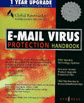
This book explains to end users, in plain language, what the threats are, and how to deal with them.
 TABLE OF CONTENTS
 Microsoft Windows 2000 Advanced Server and Red Hat Linux are capable of high-end security. However, the out-of-the-box configurations must be altered to meet the security needs of most businesses with an Internet presence. This chapter will show you the steps for securing Windows 2000 Advanced Server and Red Hat Linux systems, which is a process called hardening the server. The hardening process focuses on the operating system, and is important regardless of the services offered by the server. The steps will vary slightly between services, such as e-mail and http, but are essential for protecting any server that is connected to a network, especially the Internet. Hardening the operating system allows the server to operate efficiently and securely.
This chapter includes the essential steps an administrator must follow to harden Windows 2000 Advanced Server and Red Hat Linux systems. These steps include maintenance, disabling unnecessary services, locking down ports, and placing the server behind a firewall, such as Axent Raptor or CheckPoint Firewall-1. Although Microsoft Exchange Server may lock down some services, many Exchange administrators will find this information useful as they install alternative e-mail servers, such as Sendmail.
When an operating system is first released, it may contain many security vulnerabilities and software bugs. Vendors, such as Microsoft and Red Hat, provide updates to their operating systems to fix these vulnerabilities and bugs. In...