The return on investment (ROI) methodology for the Team Software Process SM is a procedure to measure, quantify, and analyze its economic value. The Team Software Process SM is a project, quality, and life cycle management method for large groups of software engineers. ROI is the amount of money gained, returned, or earned above the resources spent on the Team Software Process SM. Its ROI methodology is a six-part process that consists of estimating costs, benefits, benefit/cost ratio (B/CR), ROI%, net present value (NPV), and breakeven point. The ROI methodology for the Team Software Process SM has unique elements for estimating costs, benefits, and B/CR. Its cost, benefit, B/CR, ROI%, NPV, and breakeven point methodologies are rather simple. Key elements include its software cost model and total life cycle cost model, which are used to estimate the costs and benefits of using the Team Software Process SM. Figure 39 illustrates the ROI methodology for the Team Software Process SM.
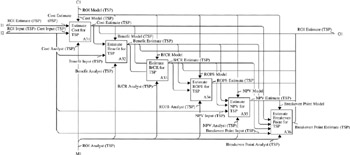 Figure 39: ROI Methodology for Team Software Process SM
 9.1 TSP SM Cost Methodology
The cost methodology for the Team Software Process SM is a procedure to measure, quantify, and analyze the amount of money spent. The Team Software Process SM incurs cost for training, but results in one of the lowest overall software maintenance costs. Cost is the economic consequence of using the Team Software Process SM to create a new and improved software process. Its cost methodology is a...
Copyright J. Ross Publishing, Inc. 2004 under license agreement with Books24x7

 TABLE OF CONTENTS