Lean Six Sigma Logistics: Strategic Development to Operational Success


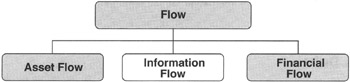
Of all functions inside any organization, logistics invariably deals with the most information. All of this information flows through a company in many different formats, at different speeds, and for many different reasons. Information is used to manage the present, plan for the future, and reflect on the past. This information originates from the supply base, internal employees, service providers, and the customer. Managing all of the information can be a daunting and overwhelming task, yet it must be accomplished for effective logistics management. The three strategic focus areas for Information Flow are:
Data Flow
Knowledge Flow
Communication Flow
These three areas will be discussed in this chapter.
Truism: Logistics activities generate more data than any other business function, yet logisticians continue to search for the best way to use data effectively.
We need to turn data into information and information into knowledge, but the bridge from data to information and then to knowledge remains an elusive one. What is preventing us from extracting the knowledge buried in our data? There should be no shortage of information since logistics activities produce and process a plethora of data.
The task is to extract useful meaning from our data. The first thing to do is to stratify the data into meaningful data groups, after which we need to determine how the data flow through the organization. Data management works well when grouped into three families: historical, event or real time, and future or deterministic.
Historical data...