Quantitative Methods in Project Management

This book combines theoretical and practical applications and takes project managers through the most important quantitative methods, integrates them, and illustrates interrelationships.
 TABLE OF CONTENTS
 Project value is a consequence of successful application of resources to an agreed scope, taking measured risks to balance expectations with capability.
John C. Goodpasture
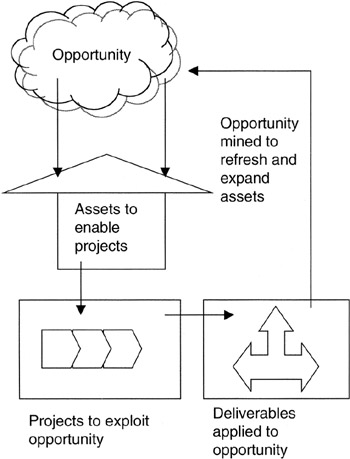
Successful projects return value to the business. Successful projects are relatively easy to identify; we usually know them when we see them. They are the projects that improve processes or product, reduce costs and operational inefficiencies, make contributions to the technical and functional competence of the organization, or add capacity and capability to serve customers and markets with greater satisfaction. They are projects that make good on the promises of the project charter, deliver the intended scope, and deliver that scope within a time frame commensurate with business objectives. The value cycle of successful projects is presented in Figure 1-1.
Mindful of the fact that projects, all projects, are one-time temporary endeavors [1] burdened with uncertainties, and not blessed with the error-reducing opportunities of repetitive ongoing operations, the project manager faces many risks arising from internal stresses and external uncontrollables. The project manager's mission is then to accomplish the assigned scope with the available resources, taking measured risks to do so.
More often than not, successful projects "make the numbers." In the project's value equation, the resource commitment is to be more than paid back by the project benefits. That said, it might be the case that the numbers to make are spread over the life cycle of the project from concept through implementation, deployment,...