Rick Gallagher's MPLS Training Guide: Building Multi-Protocol Label Switching Networks

It is the dream of every provider (and every customer) to have a failure-free network, but that s only the tip of the iceberg. That ideal doesn t translate easily into reality, and some careful considerations of effectiveness vs. affordability must be made. Additionally, the degree to which a network is equipped to handle and recover from failures is as important as safeguarding a network from failures in the first place. In this chapter, we discuss ways of protecting your network, means of ensuring rapid recovery, and the need for reliability. The chapter includes examples, hands-on exercises, and practical applications from Riverstone to strengthen the material presented.
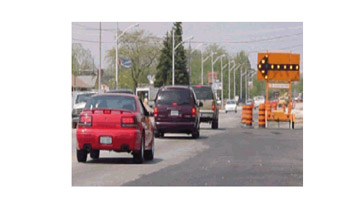
Around the country, you will find highways under repair. A good many of these highways have bypass roads or detours to allow traffic to keep moving around the construction or problem areas. Traffic rerouting is a real challenge for highway departments, but they have learned that establishing detour paths before construction begins is the only way to keep traffic moving (see Figure 4.1).
The commitment to keep traffic moving has been a staple of philosophy in voice and telephone communications since their inception. In a telephony network, not only are detour paths assigned before a circuit is disconnected (make before break), but the backup or detour paths must be of at least the same quality as the links that are to be taken down for repair. These paths are said to be prequalified