Bonding Elastomers: A Review of Adhesives and Processes

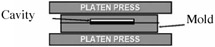
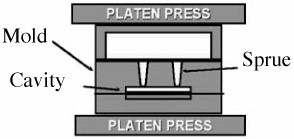
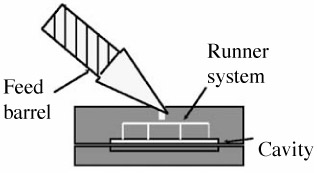
Once the type of rubber has been selected and compounded for a particular use, and the adhesive is selected and coated on the substrate to be bonded, they are combined in a mould with heat and pressure to manufacture the desired part (see Figures 4-6). While most moulding is done between 150 C and 200 C, there are applications where the curing/bonding temperatures are much lower such as at 100 C for cast urethane bonding (see section on Bonding Urethanes) and for rubber lining (see section on Rubber Lining). These types of adhesives have a different chemistry than those used for general purpose rubber bonding which allow them to cure and bond at the lower temperatures. Curing at lower temperatures generally takes a relatively longer time (e.g., hours) than mould bonding (minutes). Thus, the adhesives that cure at lower temperatures normally do not work well at the higher temperature/faster cycle times.
Table 3 shows the various methods of bonding.
| Method | Examples |
|---|---|
| Compression (Figure 4) | Automotive seals, large components |
| Transfer (Figure 5) | Bushings, engine mounts |
| Injection (Figure 6) | Engine mounts |
| Autoclave | Rubber rolls, rubber lined pipes |
| Extrusion | Supported weatherstrip, wire and cable |
| Pressureless steam | Rubber lining of railroad tank cars |
Each method has its advantages and disadvantages such as initial cost, handling, compounding and physical preparation of the rubber, waste (e.g., flash) and...