As a result of addressing each element associated with constructing the house of product development, the completed house is shown in Figure C-1. As you can see, the house is based on a comprehensive plan built on a strong foundation, including elements that address product development cycle time, product cost and quality, and provide value to the customer.
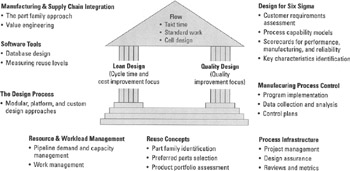 Figure C-1: The Completed House of Product Development
 The foundational elements of resource and workload management, implementation of reuse concepts, and utilization of the correct level of process infrastructure are instrumental in providing order and stabilizing the product development process. In addition, these elements are instrumental in initiating the cultural changes in the organization that are needed to achieve real and sustained improvement. Once all of this is accomplished, improvement can proceed towards addressing the design process, the development of software systems, and integration of manufacturing and the company's supply chain. Collectively, these activities aid in streamlining the product development process and provide the benefit of reducing development cycle time and cost. Next, Manufacturing Process Control and Design for Six Sigma concepts are implemented with the goal of improving product quality. These elements utilize data as the basis for understanding process capabilities that can be leveraged to support new product design. Finally, flow is implemented through the creation of product development cells.
In terms of implementation, timing for many of the activities associated with a specific element overlap with activities from other elements. However, experience has demonstrated that companies that have followed...
Copyright Productivity Press 2005 under license agreement with Books24x7


 TABLE OF CONTENTS