Architectural Engineering Design: Mechanical Systems

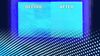
Fig. 6-8 is a legitimate depiction of a realistic event, clear in every detail. Only you can't see anything because there is no contrast. This is why the noted color expert Louis Erhardt once referred to contrast as "the fascinating gateway to perception."
The following contrasts are basic to the perception of size, silhouette, and outline of the various elements of a visual environment:
Hue: one color or spectral wavelength against another.
Value: white or light hues against black or dark hues.
Intensity: bright or pure colors against dull or diluted colors.
Complementary: one color against its complement.
Cold-warm: a warm color (the warmest being fiery red-orange) against a cool color (the coolest being icy green-blue).
Extensional: a small area of color against a large area.
Simultaneous: juxtaposing complementary colors against the other contrasts with positive effect.
Time: brief versus prolonged activities.
Continuity: continuous versus discontinuous activities.
If a certain contrast is too low (e.g. if the letters on this page were yellow), vagueness results; if too high (as when an usher's flashlight shines in one's eyes in a movie theater), harshness results. This has led to the development of certain restful luminance ratios that should create desirable contrasts and relations of tone between a visual task, surround, and background to optimize performance. Particularly important is for a color to appear the same as it lightens...