Architectural Engineering Design: Mechanical Systems

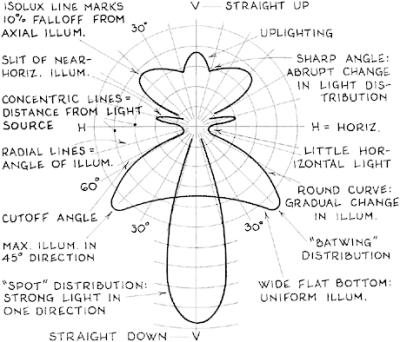
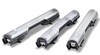
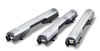
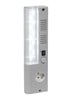
A light fixture is the frame or enclosure that holds the light source, which may be an electric lamp or a pane of glass mounted in the building envelope through which daylight enters. In this context a windowframe is as much a light fixture as a lampholder. An important property of any light fixture, whether natural or artificial, is the pattern of illumination it creates. This is portrayed graphically by its isolux line, which is the fixture's fingerprint of individuality in the world of illumination. Many lighting catalogs show these patterns next to a picture of the fixture. A line light source may have different isolux lines in its X and Y axes.
The cost of energy consumed by an artificial light source during its rated life is usually far greater than the initial cost of the lamp and its holder. Thus a light fixture's initial cost is less relevant than lamp efficacy, fixture durability, productivity increase due to good lighting, and maintenance costs.
Any light fixture weighing more than 50 lb requires specific structural support other than that provided by its outlet box.
A building has three kinds of openings through which light passes: windows, skylights, and combinations of the two. If the sky's intensity decreases by a certain ratio, the luminance of every daylighted area indoors decreases by the same ratio. North light offers the best task illumination: it is even and...