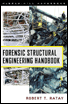
Forensic Structural Engineering Handbook
Antranig M. Ouzoonian, P.E., and Joseph Zelazny, C.E.
This chapter presents the sequence of events of a project from its design concept through the construction stage. It is intended to state and refresh the structural engineer's role and responsibilities in the design and construction process toward the common goal shared by the owner and the design professional: a quality project designed for its intended use and constructed within the budget and time restraints.
The structural engineer must bring into the forensic arena the academic training, practical knowledge, and experience (including successes and disappointments), and then use them in the role of a detective or investigative reporter. Every piece of evidence in the case including calculations, drawings, materials, and products should be documented for review as part of the information-gathering process for analysis prior to the commencement of formulating an opinion. When applicable, the forensic engineer should visit the site of the distressed area, visually examine the failures, photograph and document the components of the failure, and request certain tests to be performed, if and when applicable, before rendering an opinion.
Often forensic engineers will be retained as expert witnesses. When confronted during litigation by attorneys and/or opposing experts in court, they must demonstrate complete understanding of the forensic process, as well as the design-construction process, and possess the confidence and ability to formulate and deliver professional opinions that are...