Hertzian Tales: Electronic Products, Aesthetic Experience, and Critical Design

This chapter reviews projects from art, architecture, and design that exemplify the functional estrangement I call para-functionality. The term means here a form of design where function is used to encourage reflection on how electronic products condition our behavior. The prefix para- suggests that such design is within the realms of utility but attempts to go beyond conventional definitions of functionalism to include the poetic.
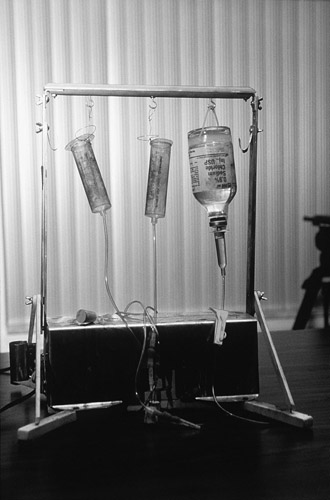
Some naive, curious, or eccentric objects, outside the world of conventional design, unintentionally embody provocative or poetic qualities that most product designs, even those intended to provoke, seldom achieve. Although industrial designers play a part in designing instruments of death (weapons) and pleasure (sex aids) these extreme areas of material culture rarely enter design discourse. Yet Jack Kevorkian s Suicide Machine, a powerful unofficial design that materializes complex issues of law, ethics, and self-determination, shows how an industrial invention can be a form of criticism (figure 3.1). Critical of a legal system that outlaws euthanasia, Kevorkian has his machine to overcome this. Its ambiguous status between prototype and product makes it more disturbing than pure artworks by blurring boundaries between the everydayness of industrial production and the fictional world of ideas. It suggests a role for design objects as discourse where functionality can be used to criticize the limits that products impose on our actions.