Managing Complex Technical Projects: A Systems Engineering Approach
The systems engineering processes begin very simply with the identification of a need for a new or improved system. The first activity in the acquisition phase is conceptual design, which is perhaps the most critical of all of the activities because it is responsible for the expansion of the system definition from a short statement of need into a functional architecture that may be hundreds of pages long.
The principal aims of conceptual design, therefore, are to articulate the need, to analyze and document the system-level requirements flowing from the need, and to complete a functional design of the system. The major product of the conceptual design, called the functional baseline, provides a system-level functional architecture that is the basis for subsequent lower level design.
Conceptual design is normally the domain of the customer, who is responsible for and heavily involved in this activity. While other organizations may be involved, the functional design of the system is normally considered to be the responsibility of the customer who must determine what the system needs to do and how well it needs to do it.
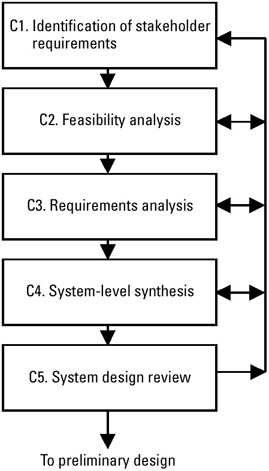
Figure 2.1 illustrates that five major tasks are conducted during conceptual design, including articulation of the stakeholder requirements, system feasibility analysis, system requirements analysis, system synthesis, and the system design review. These tasks are described in more detail in the following sections.
Before any work can commence on developing the...