Introduction
As microturbines emerged into commercial reality during the late 1990s, the excitement about this new technology was palpable among engineers. They had long believed the technology would work. Capstone proved it, and Bowman confirmed it. Other new machines followed from Honeywell, Elliott, Turbec, and Ingersoll-Rand, although Honeywell has now exited the microturbine business.
The packaging developed for early microturbines looked much like internal combustion engines, and it tended to hide the reality of the design. It did not readily suggest a machine core about the size of a beer keg, which contained, in most designs, a single shaft with a compressor, generator, and turbine onboard that was spinning at upwards of 100,000 + rpm ( see Figs. 2-1, 2-2, 2-3).
 Figure 2-1: The Capstone "Beta" 30 kW from 1997 Captures the Look of First Generation Microturbines
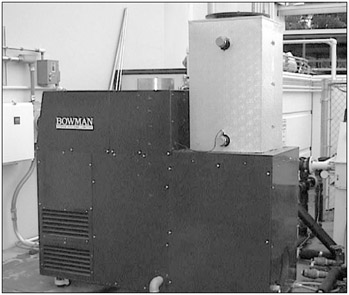 Figure 2-2: The Bowman 35 kW from 1999 Another First Generation Microturbine
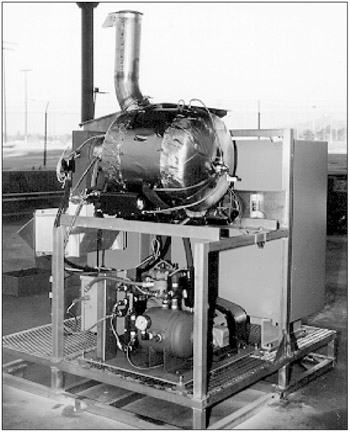 Figure 2-3: The "Insides" of the Capstone "Beta" 30 kW from 1997
Most manufacturers made their packaging resemble existing technology, so it would be familiar to customers. This is similar to the way electric vehicles emulate the design characteristics of internal combustion automobiles. However, Capstone's complete remake of the package into one with an art deco feel really captured attention. When showcased, it created heightened interest in the product because of its intriguing look and feel. In later designs, Capstone repackaged their products to look more industrial. But throughout the microturbine industry, the packaging of the Capstone model 330 has...


 TABLE OF CONTENTS