Adhesives Technology Handbook

As adhesive bonding is a surface phenomenon, preparation of the contact surface is vital for strong bond formation. Surface preparation (or surface pretreatment) is carried out to render adherend surfaces receptive to the development of strong, durable adhesive joints. It is desirable to expose the adherend surface directly to the adhesive, with no intervening layer of oxide film, paint, chromate coating, chromate-free coating, phosphate coating, or silicone release agent. Such layers are called "weak boundary layers," and in their presence the adhesive does not contact the adherend surface directly.[1]
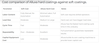
Table 3.1 shows a list of surface treatment processes for metallic and non-metallic substrates and the main effect of each treatment procedure on the material surface.
| Substrate | Treatment Method | Effect of Treatment |
|---|---|---|
| Metals | Degreasing | Cleaning of the surface |
| Metals | Grit blast | Loose material (weak boundary) removal from the surface and increase in contact surface area |
| Metals | Acid etch/liquid pickling | Surface oxidation |
| Plastics | Corona treatment | Weak boundary layer removal and surface oxidation |
| Plastics | Flame treatment | Weak boundary layer removal and surface oxidation |
| Plastics | Chemical etching | Weak boundary layer removal and surface oxidation |
| Fluoroplastics | Chemical etching | Surface defluorination and oxidation |
Preparing the surface of a metallic sample involves multiple steps, all of which are not always taken. It is not possible to obtain a strong adhesive bond without cleaning (and abrading) the metal surface. Metals have high energy surfaces and absorb oils and other contamination...