Overview
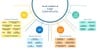
Construction is the mobilization and utilization of capital and specialized personnel, materials, and equipment to assemble materials and equipment on a specific site in accordance with drawings, specifications, and contract documents prepared to serve the purposes of a client. The organizations that perform construction usually specialize in one of four categories into which construction is usually divided: housing, including single-family homes and apartment buildings; nonresidential building, such as structures erected for institutional, educational, commercial, light-industry, and recreational purposes; engineering construction, which involves works designed by engineers and may be classified as highway construction or heavy construction for bridges, tunnels, railroad, waterways, marine structures, etc.; and industrial construction, such as power plants, steel mills, chemical plants, factories, and other highly technical structures. The reason for such specialization is that construction methods, supervisory skills, labor, and equipment are considerably different for each of the categories.
Construction involves a combination of specialized organizations, engineering science, studied guesses, and calculated risks. It is complex and diversified and the end product typically is nonstandard. Since operations must be performed at the site of the project, often affected by local codes and legal regulations, every project is unique. Furthermore, because of exposure to the outdoors, construction is affected by both daily and seasonal weather variations. It is also often influenced significantly by the availability of local construction financing, labor, materials, and equipment.
Construction Management can be performed by construction...


 TABLE OF CONTENTS