Pharmaceutical Sludge Dewatering
Featured Product from KINTEP NEW POWER

Challenges of treating pharmaceutical wastewater and sludge:
-
High organic load & variable concentrations – Pharma sludge fluctuates widely (0.2–>4% solids). Traditional equipment clogs easily and fails on dilute streams.
-
High energy cost – Centrifuges/belt presses consume far more power (>20× vs. screw press).
-
Frequent clogging – Conventional units fail with low-concentration or fibrous pharma sludge.
-
High wash-water waste – Belt presses use massive water (>>0.1% of screw press).
-
Labor-intensive – Requires constant manual monitoring; no 24h unattended operation.
-
High cake moisture (>85%) – Increases hazardous sludge disposal volume and cost.
-
Equipment wear & noise – High-speed moving parts shorten lifespan and require frequent maintenance.
Multi-disk Screw Press:
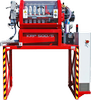
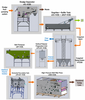
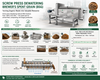
Integrates an automatic control cabinet, sludge thickening and dewatering unit, and a liquid collection tank. Under fully automatic operation, it enables efficient flocculation and continuous sludge thickening and dewatering, allowing the collected filtrate to be recirculated or discharged.
Application Case in pharmaceutical sludge project:
Model: KTDL353 1 Set
Inlet Sludge Moisture: 98.7%
Outlet Mud Cake Moisture: 82.8%
Advantages:
- Small footprint
- Low energy consumption, not prone to clogging, and capable of handling various sludge concentrations: traditional equipment cannot process low-concentration sludge, is easily clogged, and has high energy consumption. Screw press: low energy consumption, less than 5% of a centrifuge. Self-cleaning and not easily clogged. Capable of handling solid concentrations from <0.2% to >4%.
- Water saving: less than 0.1% of a belt press
- Automatic program control: 24-hour unattended automatic operation
- Low running speed, vibration & noise: less abrasion, long lifespan.