
8 Motor Contactors
Last Updated: April 1, 2025
Description
Motor contactors are devices used to control the power supply to electric motors. They function as a protection device, ensuring that the motor operates safely by managing the electrical current flow. These contactors are available in various configurations, including two-pole, three-pole, and four-pole designs, each suited for different voltage and current requirements.
Working Principle
Motor contactors operate by using a solenoid to electromechanically engage power-switching contacts. When the coil within the contactor is energized, it generates linear motion that closes the contacts, allowing electrical current to flow to the motor. This mechanism replaces manual switches, providing a more efficient and reliable means of controlling motor operation. The contactors are equipped with auxiliary control contacts that can manage additional functions such as indicating lights or other motor starters. This electromechanical operation is crucial for ensuring that motors start and stop safely, preventing overloads and protecting against low-voltage conditions.
Applications
Motor contactors are widely used in various industrial and commercial applications. They are essential in systems where electric motors are employed, such as conveyor belts, pumps, and HVAC systems. For example, in manufacturing plants, motor contactors are used to control the operation of large machinery, ensuring that motors start and stop as needed without causing electrical overloads. In HVAC systems, they manage the operation of compressors and fans, maintaining the desired environmental conditions efficiently.
Advantages over other Motor Contactors
One of the key advantages of motor contactors is their ability to provide overload protection, which is not always available in simpler switch mechanisms. They also offer the benefit of remote operation, allowing for centralized control of multiple motors from a single location. This feature is particularly advantageous in large industrial settings where manual operation would be impractical. Additionally, motor contactors can be integrated with auxiliary contacts to perform additional control functions, enhancing their versatility compared to basic contactors.
Limitations
Motor contactors do have some limitations. They require a continuous power supply to maintain the coil's energization, which can lead to increased energy consumption. Additionally, the mechanical components within the contactor are subject to wear and tear over time, potentially leading to maintenance issues. In environments with high levels of dust or moisture, contactors may require additional protection to prevent contamination and ensure reliable operation.
Considerations
When selecting motor contactors, several factors should be considered. Initial costs can vary depending on the size and type of contactor required for the specific application. Operating expenses may include energy consumption and potential maintenance costs due to mechanical wear. Durability is an important consideration, especially in harsh environments where contactors may be exposed to dust or moisture. Accuracy in operation is critical to ensure that motors are controlled precisely, preventing damage from electrical overloads. Replacement and maintenance costs should also be factored into the decision-making process, as these can impact the overall cost-effectiveness of the motor control system.
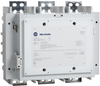
from Allen-Bradley / Rockwell Automation
300 NEMA Contactor, NEMA Size 8, Open, 100-250V 50-60 Hz/100-250V DC With 24V DC PLC Interface, Three NO Poles, 1 N.O. - 1 N.C. Auxiliary Contact [See More]
- NEMA Size: 8
- Standard Rating: NEMA