
MT-RJ Fiber Optic Test Equipment
Last Updated: April 1, 2025
Description
MT-RJ Fiber Optic Test Equipment is designed to evaluate and verify the performance of fiber optic systems that utilize MT-RJ connectors. These connectors hold two fibers with a smaller ferrule compared to other types, making them suitable for high-density applications. The test equipment typically includes components such as power meters and optical light sources, which are essential for measuring optical power and injecting test signals into the fiber.
Working Principle
The MT-RJ Fiber Optic Test Equipment operates by using a combination of optical power meters and light sources to assess the integrity and performance of fiber optic links. The power meter measures the amount of optical power transmitted through the fiber, while the light source injects a stable test signal. This setup allows technicians to perform both functional and performance testing, ensuring that the fiber optic system meets the required standards and specifications. The use of MT-RJ connectors, which are multimode and use a press-to-release latch similar to modular jacks, facilitates easy connection and alignment during testing.
Applications
MT-RJ Fiber Optic Test Equipment is used in various applications where MT-RJ connectors are prevalent. These include high-density networking environments, telecommunications, and data centers where space-saving and efficient fiber optic connections are critical. The equipment is also employed in testing transceiver systems using loopback connectors, ensuring that the systems are functioning correctly and efficiently.
Advantages over other Fiber Optic Test Equipment
One of the primary advantages of MT-RJ Fiber Optic Test Equipment is its compatibility with high-density applications due to the smaller ferrule size of MT-RJ connectors. This makes it particularly useful in environments where space is at a premium. Additionally, the press-to-release latch mechanism of MT-RJ connectors simplifies the connection process, reducing the time and effort required for testing compared to other connector types.
Limitations
A notable limitation of MT-RJ Fiber Optic Test Equipment is its restriction to multimode fibers, which may not be suitable for all applications, particularly those requiring single-mode fibers. Additionally, the smaller ferrule size, while advantageous for high-density applications, may pose challenges in terms of durability and alignment precision compared to larger connectors.
Considerations
When considering MT-RJ Fiber Optic Test Equipment, it is important to evaluate the initial costs and operating expenses, which can vary depending on the complexity and features of the equipment. Durability is another factor, as the smaller ferrule size may affect the longevity of the connectors. Accuracy is crucial, and users should ensure that the equipment provides precise measurements to meet industry standards. Replacement and maintenance costs should also be considered, as these can impact the overall cost-effectiveness of the equipment over time.
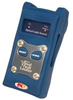
from Fiber Instrument Sales, Inc./FIS
Fiber end identification and continuity testing for long distances [See More]
- Connector Type: MT-RJ
- Test Equipment Type: Hand Held
- Test Equipment: Fiber Optic Fault Locator
- Power Range: 0.0

from Fiber Instrument Sales, Inc./FIS
For finding breaks or tightbends, independently launches bright red laser [See More]
- Connector Type: MT-RJ
- Test Equipment Type: Hand Held
- Test Equipment: Fiber Optic Fault Locator