
Lightning Power or Line Conditioners
Description
Lightning power or line conditioners are devices designed to protect electrical systems from power anomalies such as surges, spikes, and transients. These devices ensure that the power supplied to electronic equipment is stable and free from fluctuations that could cause damage or operational issues.
Working Principle
Line conditioners work by regulating the voltage and filtering out noise from the power supply. They use various techniques such as voltage regulation, noise filtering, and surge suppression to maintain a consistent power quality. This is crucial because power anomalies can lead to equipment malfunction or damage, especially in sensitive electronic systems. By stabilizing the power supply, line conditioners help in prolonging the lifespan of electronic devices and ensuring their reliable operation.
Applications
Line conditioners are commonly used in environments where sensitive electronic equipment is deployed. For example, they are essential in data centers to protect servers and networking equipment from power disturbances. In hospitals, line conditioners safeguard critical medical devices that require a stable power supply to function accurately. They are also used in industrial settings to protect machinery and control systems from power quality issues.
Advantages over other Power or Line Conditioners
Line conditioners offer several advantages over other power protection devices. They provide comprehensive protection by addressing multiple types of power anomalies, including voltage fluctuations and electrical noise. Unlike simple surge protectors, line conditioners can regulate voltage levels, making them suitable for environments with frequent voltage sags or swells. This makes them more versatile and effective in ensuring power quality.
Limitations
One limitation of line conditioners is that they may not be effective against all types of power disturbances, such as prolonged power outages. Additionally, they can be more expensive than basic surge protectors, which might not be justifiable for all applications. Line conditioners also require regular maintenance to ensure their effectiveness, which can add to the operational costs.
Considerations
When considering the use of line conditioners, it is important to evaluate the initial costs and the potential savings from preventing equipment damage. Operating expenses include energy consumption and maintenance costs, which can vary depending on the complexity of the system. Durability and accuracy are critical factors, as a reliable line conditioner should consistently provide stable power without frequent failures. Replacement and maintenance costs should also be considered, as these can impact the long-term cost-effectiveness of the device.

from RS Components, Ltd.
Multiway adaptor with cable and maching plug. Suitable for protection of all electronic equipment. Internal surge and spike protection L-N, L-E and N-E. Input Voltage = 230V ac. Output Power = 2990VA. Output Current = 13A. Mounting Type = Floor Standing, Wall Mount. Maximum Operating Frequency =... [See More]
- Protection: Lightning; Surge
- Input Voltage: 230
- Apparent Power Rating: 2990
- Frequency: 50Hz; 60Hz
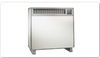
from Eaton | Power Quality
The Eaton Power-Suppress T7 ultra-isolator noise suppressor protects electronic equipment in data rooms, wiring cabinets and other sensitive equipment against electrical noise disturbances. These impediments, from sources such as lighting, utility network switching and the operation of electric... [See More]
- Protection: Isolation; Line Noise; Lightning; Surge; Transient
- Input Voltage: 208 to 480
- Apparent Power Rating: 225000
- Output Voltage: 120 to 208