
Tape Drive Data Storage Systems
Description
Tape drive data storage systems are devices used to store digital data on magnetic tape. They serve as a medium for recording and retrieving data, primarily used for backup and archival purposes. These systems are designed to handle large volumes of data efficiently, making them a preferred choice for long-term data storage.
Working Principle
Tape drives operate by writing data onto a magnetic tape, which is a thin strip of plastic coated with a magnetic material. The data is stored in a linear format, which allows for high-density storage. The tape is wound onto reels, and the drive reads or writes data as the tape passes over a read/write head. This method of storage is particularly useful for creating offline backups and archives, as it provides a cost-effective solution for storing large amounts of data securely. Tape drives are beneficial because they offer a reliable means of data preservation, protecting against data loss due to system failures or disasters.
Applications
Tape drive data storage systems are widely used in industries that require extensive data archiving. For example, media companies use tape drives to store video assets, ensuring that large volumes of video content are preserved for future use. Additionally, businesses in sectors such as finance and healthcare utilize tape drives to comply with regulatory requirements for data retention, maintaining permanent records of transactions and patient information.
Advantages over other Data Storage Systems
Tape drives offer several advantages over other data storage systems. They provide a cost-effective solution for storing large volumes of data, as the price per gigabyte is generally lower compared to disk storage. Tape drives also offer high data integrity and longevity, making them ideal for archival purposes. Unlike disk storage, which can be susceptible to data corruption over time, tape storage is less prone to degradation, ensuring data remains intact for extended periods.
Limitations
Despite their advantages, tape drive data storage systems have certain limitations. The sequential access nature of tape storage means that data retrieval can be slower compared to random access storage systems like hard drives. This can be a drawback when quick access to specific data is required. Additionally, the physical nature of tapes makes them susceptible to wear and tear, requiring careful handling and storage to prevent damage.
Considerations
When considering tape drive data storage systems, several factors should be taken into account. Initial costs can be significant, as they include the purchase of tape drives and tapes. However, operating expenses are generally lower due to the cost-effectiveness of tape media. Durability is a key advantage, as tapes can last for decades if stored properly. Accuracy in data retrieval is high, but regular maintenance is necessary to ensure the longevity of the tapes and the drive. Replacement and maintenance costs should also be considered, as tape drives may require periodic servicing to maintain optimal performance.
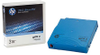
from RS Components, Ltd.
HP LTO 5 Ultrium Data Tape 1.5TB - 3TB [See More]
- Device Type: Tape Drive
- Media Format: Lto-5
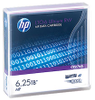
from RS Components, Ltd.
HP LTO 6 Ultrium Data Tape 2.5TB -6.25TB [See More]
- Device Type: Tape Drive
- Media Format: Lto-6
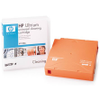
from RS Components, Ltd.
HP LTO Ultrium Cleaning Cartridge [See More]
- Device Type: Tape Drive
- Capacity: 6250
- Media Format: Hpe, lto
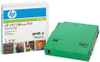
from RS Components, Ltd.
Hewlett Packard C7974A Tape Cartridge [See More]
- Device Type: Tape Drive
- Media Format: Lto-4