Rheology Modifiers Information

Figure 1: Hand sanitizer. Source: Pixabay
Viscosity is a parameter that describes how well a fluid tends to flow. Sometimes, a given fluid doesn’t have quite the right viscosity or physical properties for a given application. Rheology modifiers can be added to fluids to change their viscosity and even change the behavior of the fluid entirely. Whether hair paste, hand sanitizer, or motor oil, fluids all around us rely on rheology modifiers to perform optimally.
Theory of Operation
Rheology modifiers are substances added to fluids, semi-solids, or solids to alter their flow characteristics, a field known as rheology. These modifiers are used in a wide range of applications, including paints, cosmetics, pharmaceuticals, and food products, to control properties like viscosity, thixotropy (shear-thinning), and gel strength. Rheology modifiers modify the properties of fluids, often non-Newtonian fluids, by modifying their material properties.
Mechanisms of Action
Rheology modifiers function in various ways to alter the flow behavior of materials. Some modifiers operate through associative interactions, creating weak bonds with the material and modifying its microstructure, which subsequently affects its flow behavior. Others utilize chain entanglement, where polymers increase viscosity by intertwining their long molecular chains with the molecules of the substance to which they are added.
In particle suspension, certain modifiers develop a stable network that captures and suspends particles to prevent them from settling. Additionally, some thickeners influence rheology by absorbing water and swelling, increasing both the volume and viscosity of the fluid. Ionic rheology modifiers engage with the charged particles in the fluid, inducing changes in its flow properties.
The effectiveness of rheology modifiers is influenced by several factors. The concentration of the modifier must be meticulously controlled to achieve the desired rheological properties. Temperature is another crucial factor, as the efficiency of a rheology modifier can vary depending on it. The pH level also plays a significant role, as it affects the ionization of certain groups in the rheology modifier or the fluid, influencing their interaction. Additionally, the shear rate can impact its viscosity, especially in non-Newtonian fluids.
To measure and characterize the effectiveness of rheology modifiers, rheometers or viscometers are often employed. These instruments measure properties such as shear stress, shear rate, and viscosity under varying conditions, providing insights into how well the modifiers are performing their intended functions.
Understanding the theory of operation for rheology modifiers is crucial for their effective use in industrial applications. The choice of a specific rheology modifier and its concentration depends on the particular requirements of the application, such as the desired flow behavior, stability, and compatibility with other ingredients.
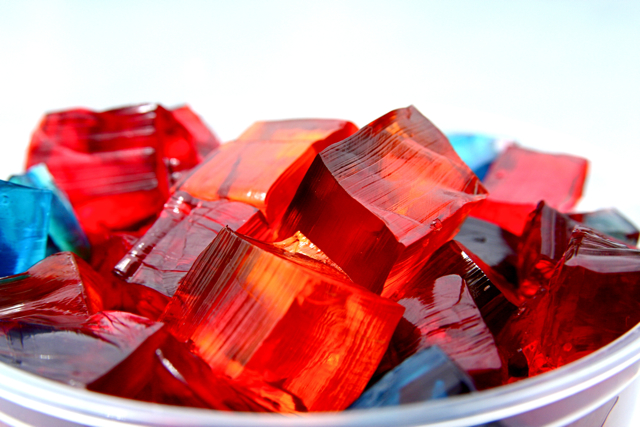
Figure 2: Jell-O cubes. Source: Steven Depolo/CC BY 2.0
Specifications
The specifications for rheology modifiers can vary widely depending on the application and the type of modifier. However, there are some general parameters that are commonly considered:
Physical Properties
The appearance, form, and molecular weight are common properties that are important to know when selecting the right rheology modifier. Solubility, whether in water or solvents, is also important to ensure the rheology modifiers will work in the application as designed. For powdered modifiers, particle size is another important physical property.
Performance Characteristics
The range of viscosities the modifier can effectively control is often one of the most important performance characteristics. How the viscosity changes with shear rate, whether thinning or thickening will occur, is also critical for ensuring the application is successful. Another performance called thixotropy refers to the time-dependent shear thinning properties that rheology modifiers can exhibit. How the material flows and levels after application and how the modifier performs at different temperatures are also important characteristics.
Compatibility and Stability
Rheology modifiers must be chemically compatible to any materials in which they are added. Rheology modifiers can often degrade at high temperatures as well. Some modifiers have improved thermal stability and resist decomposition at high temperatures. In addition to temperature, time can degrade rheology modifiers as well. Shelf life is another important characteristic.
Regulatory and Safety
Rheology modifiers can be critical components in foods or cosmetics. It is essential that only food grade or cosmetic grade modifiers are used in these applications. Non-toxicity and biodegradability are two other important specifications to be aware of.
Special Features
Ease of dispersion is an important feature for manufacturing. It determines how easily the modifier can be mixed with the target material. Anti-settling properties and anti-syneresis, the resistance to phase separation in gels or pastes, are two other common specifications of rheology modifiers.
Application-Specific Criteria
Creams and lotions may look for specifications like spreadability. Paints and coatings may look for specifications concerning appearance like a gloss or matte finish.
Manufacturers usually provide detailed technical datasheets that include these specifications, along with recommended usage levels and other guidelines. It's essential to carefully review these specifications to choose the right rheology modifier for a specific application.

Figure 3: Soy paint cans. Source: United Soybean Board/CC BY 2.0
Types
Rheology modifiers come in different types with variations included in each type. Different rheology modifiers can have wildly different physical characteristics.
Types of Rheology Modifiers
The five main types of rheology modifiers include:
- Thickeners
- Thixotropic agents
- Gelling agents
- Anti-settling agents
- Flow leveling agents
Sometimes a fluid is too thin. Thickeners increase the viscosity of the fluid, making it more resistant to flow. Thixotropic agents make the material temporarily less viscous when shaken, stirred, or otherwise mechanically disturbed. Gelling agents convert fluids into semi-solids or solids under specific conditions. Anti-settling agents prevent the settling of suspended particles in a liquid medium. Finally, flow leveling agents improve the material's ability to level out after application, for example in paints.
Rheology modifiers come in various types, each with unique properties and applications. Below are some common types of rheology modifiers:
- Organic polymers
- Acrylic polymers
- Polyvinyl alcohol (PVA)
- Bentonite
- Montmorillonite
- Silica
- Hydrophobically modified ethoxylate urethanes (HEUR)
- Hydrophobically modified alkali-soluble emulsions (HASE)
- Xanthan gum
- Alginate
- Paraffin wax
- Stearic acid
- Gelatin
- Polyrotaxanes
- Propylene glycol
Each type of rheology modifier has its own set of advantages, disadvantages, and ideal applications. When selecting a rheology modifier, it's essential to consider factors like compatibility, desired rheological properties, and the specific requirements of the application.
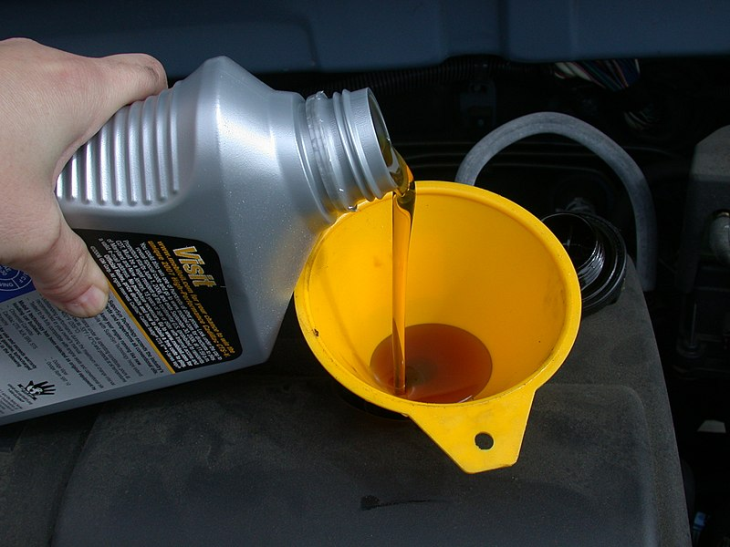
Figure 4: Oil change. Source: Dvortygirl/CC BY-SA 3.0
Features
The features of rheology modifiers can be broadly categorized into a few key areas, each affecting their performance and suitability for specific applications:
Shear Sensitivity and Thixotropy
While some rheology modifiers only modify the viscosity of a fluid, other modifiers offer additional features. Some modifiers offer shear-thinning or shear-thickening behavior, which changes the fluid's viscosity in response to shear. The ability to become less viscous when agitated and return to a more viscous state when at rest is a feature called thixotropy that some rheology modifiers exhibit.
Food or Cosmetic Grade
Some rheology modifiers are safe for use in food applications and are non-toxic to people. Similarly, some are suitable for cosmetic and personal care formulations.
Bio-based or Synthetic
Some rheology modifiers are derived from natural sources, while others are synthetic.
Synergistic Effects
Some rheology modifiers can work synergistically with other types to produce unique flow properties.
Tolerance to pH and Electrolytes
Some rheology modifiers can maintain their performance even in challenging conditions such as extreme pH or high electrolyte levels.
Biodegradability
Some rheology modifiers are biodegradable and considered environmentally friendly.
Choosing the right rheology modifier requires balancing these features according to the specific needs of your application. Always consult technical data sheets and, if possible, conduct lab tests to determine the most suitable rheology modifier for your needs.

Figure 5: Heinz Ketchup. Source: Pixabay
Manufacture
The manufacturing process of rheology modifiers can vary significantly depending on the type of modifier being produced. Here is a general overview of some common manufacturing methods for various types of rheology modifiers:
Organic Polymers
Monomers are polymerized using initiators and catalysts to create long-chain polymers in a process called polymerization. This process usually occurs in either a batch or continuous process.
In batch polymerization, monomers, initiators, and other reagents are mixed in a reactor and allowed to polymerize. In continuous polymerization, the reactants are continuously fed into a reactor, and the polymer is continuously extracted. After either process, the polymer may undergo additional processes such as purification, drying, or milling.
Inorganic Materials
For clay-based modifiers like bentonite, the raw material is usually mined. The raw material is then purified to remove impurities in a process called refinement. Some inorganic materials are then activated chemically or thermally to improve their properties.
Associative Thickeners
The polymeric backbone is synthesized first. Hydrophobic groups are then chemically grafted onto the backbone to make them associative. These rheology modifiers then exhibit hydrophobic behavior in addition to modifying viscosity.
Natural Polymers
Natural polymers like guar gum, xanthan gum, and alginates are extracted from their natural sources. The extracted material is purified to isolate the desired compound. The purified material is usually dried and milled to a suitable particle size.
Surfactants
For fatty acid-based surfactants, fatty acids are esterified with alcohols in a process called esterification or transesterification. Sulfuric acid or similar compounds are used to introduce sulfate or sulfonate groups.
Waxes and Fatty Acids
Crude waxes are often subjected to fractional distillation to separate different components based on boiling points. The waxes may be further purified by bleaching and deodorizing.
Proteins
Proteins like casein are isolated from milk or other natural sources. The protein is purified using techniques such as chromatography. Some proteins may be chemically or thermally modified to improve their rheological properties.
Quality Control and Testing
Regardless of the type or method of production, rigorous quality control is essential. The product is tested for various properties such as:
- Viscosity
- Molecular weight
- Purity
- pH stability
- Shear stability
Once the rheology modifiers meet the required specifications, they are packaged and distributed for use in various applications. It's important to note that these are general guidelines and the actual manufacturing process can be more complex, depending on the specific type of rheology modifier and its intended application.
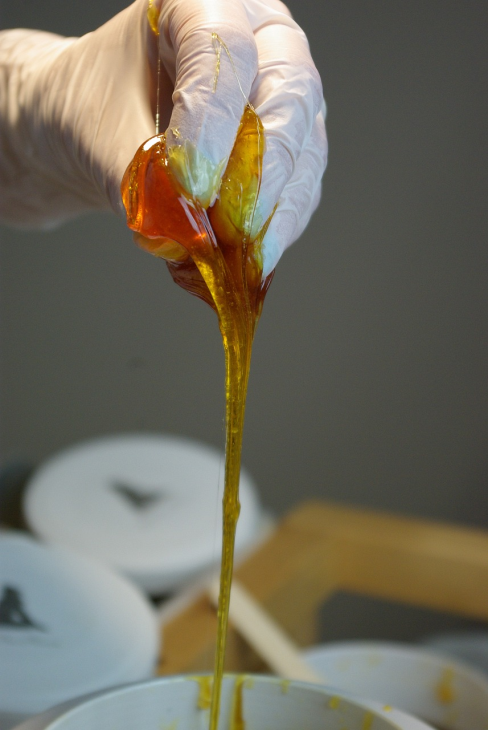
Figure 6: Sugar paste: Source: Pixabay
Applications
Rheology modifiers find applications in a broad range of industries due to their ability to control the flow and texture of materials. Here are some common applications:
Paints and Coatings
To ensure the paint is easy to apply but doesn't run, rheology modifiers are used for viscosity control. They also act as leveling agents to make sure the paint levels out to a smooth finish and to prevent the paint from dripping after application.
Food and Beverages
To improve the mouthfeel of products like yogurt, sauces, and gravies rheology modifiers can be used to change the mouth feel. To prevent the separation of ingredients in products like salad dressings, modifiers work as excellent stabilizers. Finally, to create gel-like textures in products like jelly and pudding rheology modifiers are often used.
Pharmaceuticals
Rheology modifiers also play a big role in the pharmaceutical industry. In tablet binding, modifiers help to bind the components of a tablet together. The texture and pourability of liquid medicines are often improved through syrup thickening as well. For topical applications like ointments and creams, rheology modifiers are a must.
Personal Care and Cosmetics
Just as for pharmaceuticals, rheology modifiers help to control the spreadability and absorption of personal lotions and creams. Hair gels must provide the desired level of hold, which is often fine-tuned with the use of modifiers. Toothpaste also needs rheology modifiers to provide a smooth, easily extrudable texture.
Household Products
Detergents need modifiers to control the viscosity and improve cleaning efficiency. Cleaning gels also rely on rheology modifiers for targeted application on surfaces. Fabric softeners provide a smooth, thick texture for easy application through the use of modifiers.
Industrial Applications
Industrial applications also use their fair share of rheology modifiers. Oil drilling fluids rely on modifiers to control viscosity and prevent particle settling. Adhesives and sealants rely on proper viscosities to control flow and adhesion properties. In products like grout and mortar, modifiers are used to control workability and setting time.
Agriculture
Agriculture is an additional industry that relies on rheology modifiers. Pesticide formulations require tight control of droplet size. They also rely on rheology modifiers to improve adhesion to plants. To prevent particle settling and improve flowability, fertilizer suspensions are commonly used.
Automotive
Modern engines would not run as well with rheology modifiers. Lubricants rely on them to control flow properties under different temperature and pressure conditions. Coolants rely on them to maintain optimal viscosity for heat transfer.
Specialty Applications
Cutting edge and specialty applications also employ rheology modifiers. 3D printing uses them to control the flow properties of printing materials. Biomedical applications like drug delivery and tissue engineering also benefit from rheology modifiers. Even nanotechnology can use modifiers to stabilize nanoparticle suspensions.
These are just some examples; the possibilities are vast and continue to grow as new types of rheology modifiers are developed and new applications are discovered. The choice of rheology modifier depends on the specific needs of the application, including the desired rheological properties, compatibility with other ingredients, and other functional requirements.

Figure 7: Test tubes. Source: Pixabay
Standards
Standards for rheology modifiers can vary depending on the industry, application, and geographic location. These standards are often established by professional organizations, industry consortia, or governmental agencies to ensure quality, safety, and efficacy. Here are some types of standards commonly associated with rheology modifiers:
Quality and Purity Standards
Rheological modifiers can be used in many different products where quality is essential, from cosmetic products to motor oil. Organizations like ISO (International Organization for Standardization) and ASTM (American Society for Testing and Materials) provide quality standards for use in many different industries. ISO standards may exist for specific types of rheology modifiers, outlining quality, purity, and testing methods. ASTM provides various testing and quality standards for materials, including rheology modifiers. Common standards include
- ASTM D2196-20—Standard Test Methods for Rheological Properties
- ASTM C1749-17a—Standard Guide for Measurement of the Rheological Properties
- ISO 4618:2014(en)—Paints and varnishes
Food and Pharmaceutical Standards
Rheology modifiers used in foods or drugs receive additional scrutiny. Organizations like the FDA (U.S. Food and Drug Administration), European Food Safety Authority (EFSA), and pharmacopeias like the USP (United States Pharmacopeia) may all issue standards that apply to rheological modifiers.
For rheology modifiers used in food, pharmaceuticals, and personal care products, FDA guidelines often apply. In Europe, EFSA standards would apply to food-grade rheology modifiers.
Environmental and Safety Standards
REACH (Registration, Evaluation, Authorization, and Restriction of Chemicals) in Europe and the Environmental Protection Agency (EPA) in the U.S. issue standards regarding the environmental impact of rheology modifiers.
In Europe, REACH standards may apply to the manufacture and use of rheology modifiers while in the U.S., EPA standards may apply to the environmental impact of rheology modifiers.
MSDS (Material Safety Data Sheets) must be available for all chemical products, including rheology modifiers, detailing safety, handling, and first-aid measures.
Specialized Industry Standards
Within many industries, standards for rheology modifiers may appear. Organizations like SAE International may have standards for rheology modifiers used in automotive lubricants and coolants. Guidelines like the Cosmetics Good Manufacturing Practices (GMP) may apply to rheology modifiers used in personal care products. Organizations like the American Concrete Institute (ACI) may have guidelines for rheology modifiers used in construction materials.
Test Methods
Various test methods are often standardized to measure the effectiveness and characteristics of rheology modifiers. These can include:
- Viscosity measurement: Methods for measuring the viscosity of modified solutions
- Stability testing: Procedures to assess long-term stability and effectiveness
- Compatibility testing: Methods for evaluating compatibility with other substances
Compliance with these standards is often necessary to sell and distribute rheology modifiers, especially in regulated industries like food, pharmaceuticals, and personal care products. Manufacturers should be aware of these standards and ensure that their products comply to ensure quality and safety.