Managing Stakeholders in Software Development Projects

Software project managers are frequently called upon to manage and deliver many different types of projects. While the specifics of these projects may vary, one constant remains that is the manner in which a project is first communicated and addressed to its stakeholders will greatly influence the likelihood of its success.
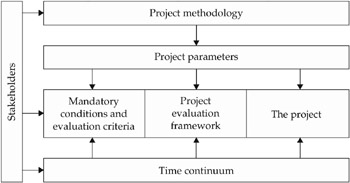
Any software project has two main activity streams: engineering and project management. The engineering activity is concerned with building the system (or artefact) and focuses on those software issues as how to design, code, and test. The project management activity is largely concerned with risk, cost, and quality. To this end successful project management depends not on the type of technical project, but on consistently applying the right project and people methodologies. Methodologies provide the cornerstone by which we can plan, execute, measure, monitor, control, and reduce project risk. According to the Standish Group: formal methodology provides a realistic picture of the project and resources committed to it, and it results in steps and procedures the team can reproduce and reuse. It also enables the team to maximize consistency and it incorporates lessons learned into active projects. Methodologies encourage go or no-go decision checkpoints. They also help the project team proceed with a higher level of confidence, or halt or alter steps to fit changing requirements. Figure 1.1 provides one view of an integrated stakeholder and project management framework.
In the last decade project management theory has to...