Monitoring and Managing Microsoft Exchange Server 2003
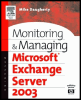
This authoritative book teaches IT professionals responsible for Exchange messaging systems how to efficiently manage the program's many and complex system capabilities and features.
 TABLE OF CONTENTS
 Electronic messaging has ceased being a novelty and is considered mission critical for most enterprises. Competitive pressure requires a nonstop flow of communication using electronic mail (e-mail). When the e-mail environment is not operating properly, work slows (or stops), information is delayed, and money is lost.
The choices made during deployment of Exchange affect the monitoring, management, and administrative options that are available afterward. Administrative procedures should be planned during the design and planning stages of the project. Successful Exchange management begins before the first Exchange server is installed and continues throughout the life of the messaging system. Proactive and consistent management is the key to maintaining a successful messaging environment.
Messaging system architects and designers spend considerable time carefully selecting and configuring the hardware and software. Exchange implementations require equally careful planning for system management, administration, and monitoring to reduce messaging downtime and to improve troubleshooting. Yet monitoring, management, and administration are often an afterthought, although it is estimated that the cost of the hardware and software is far less than the lifetime cost of managing the messaging environment. Keeping Exchange servers operational requires discipline and some well thought out management practices.
A good understanding of Microsoft Exchange Server 2003 is necessary before plans for Exchange system management, administration, and monitoring can be developed. A key element of this is understanding the relationship and dependencies between Exchange and the underlying operating system.
Just as the design decisions made during Exchange deployment affect your management options, the Windows design and...