Practical Machinery Vibration Analysis and Predictive Maintenance

Spring; 22.8 g mass or 47.8 g mass; calculator; stopwatch; tape measure.
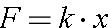
Determine the spring stiffness by using Hooke's law, which is given by:
where F = force (N); x = displacement (m); k = spring stiffness (N/m).
Determine the theoretical natural frequency of vibration (in Hz) of the system with the given mass (ignore the spring's own weight). Natural frequency is given by:
where ? n = frequency (rad/s); k = spring stiffness (N/m); m = mass (kg).
Let the spring vibrate freely with one mass and count the number of cycles in 10 s. What is the natural frequency of vibration of the system given by this experiment?
How does the experimental and theoretical results correlate?
How can we change this system to have a natural frequency of exactly 1.5 Hz?
Aluminum beam; impact hammer; accelerometer; vibration analyzer.
Mode: frequency; spectral lines: 800; F-max: 2000 Hz; averages: 4; average type: linear; overlap: 50%; trigger: single; source: internal; synchro-start: off.
Set the analyzer to the frequency domain. Estimate the natural frequency of the beam by attaching the accelerometer in the lateral direction and conducting a bump test with the hammer and vibration analyzer. Hammer in the same axis as the accelerometer.
Change the position of the accelerometer and repeat the test.
Attach the accelerometer in the sideways direction and repeat the...